
In Stardew Valley, getting off to a good start changes everything. Seasons last 28 days, crops are seasonal, and every poorly used day slows the farm’s progress. Here’s a clear method for avoiding common mistakes, securing your income, and building a strong foundation from the very first weeks.
Key takeaways
- Seasons last 28 days and determine which crops are available.
- You should keep some useful resources instead of selling everything.
- The Community Center structures a large part of your progression.
- Mines, fishing, and crafting greatly accelerate your growth.
- Ginger Island becomes a major objective once you have advanced far enough.
Priorities for the first few days

The first few days should be used to establish a simple and profitable routine. Start by clearing space, collecting wood and stone, then invest in chests to organize your resources from the beginning.
The goal isn’t to do everything at once, but to create a stable foundation. The more you limit unnecessary travel and improvised decisions, the more energy you’ll have for genuinely useful tasks.
Choosing profitable crops by season
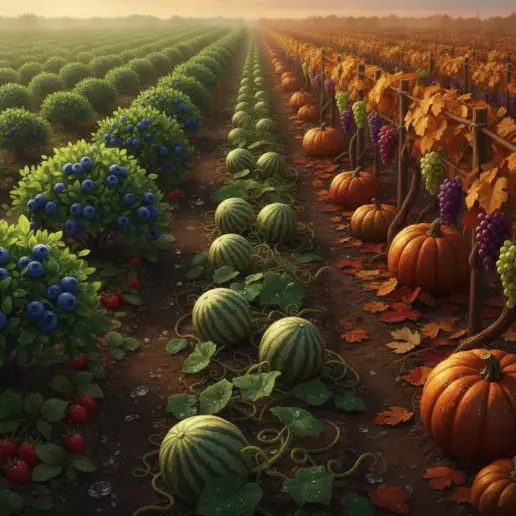
Each season brings its own opportunities, since most crops only grow during their designated season. In spring, potatoes and strawberries are reliable choices; in summer, blueberries and melons offer an excellent balance between yield and simplicity; in fall, pumpkins remain a very strong option.
The real challenge isn’t just gross profit, but how well your crops fit your watering time and energy. As soon as possible, sprinklers become a major way to free up time and increase your productivity.
Inventory management and time optimization
Good inventory management prevents you from wasting time on back-and-forth trips. Craft chests quickly and sort your resources by purpose to keep your progress running smoothly.
Every day counts, so plan your tasks around your remaining energy and current goals. Checking the weather, your daily luck, and the available options helps you choose between farming, fishing, and mining.
First contacts with the villagers
Relationships with the villagers matter more than you might think. Giving gifts, taking part in festivals, and talking regularly unlocks rewards and useful progression items.
The Community Center remains a cornerstone of the game’s structure. It opens in Pelican Town from the 5th day of spring, in dry weather and between 8 a.m. and 1 p.m., then guides the player through bundles that shape their progression.
Common mistakes to avoid
The first mistake is spending your energy and money too quickly. Clearing land without a plan, buying too many seeds, or selling everything you harvest can slow your growth instead of accelerating it.
The second mistake is neglecting resources that will be “useful later.” Many items are used for quests, crafting, artisan goods, or the Community Center, so it’s better to keep a smart reserve.
Maximizing money and efficiency: fast progression strategies
The importance of crafting
Artisan goods such as jams, pickles, cheese, and wine quickly become a major source of income. It’s one of the most reliable ways to turn a modest farm into a profitable operation.
Mining and combat strategies
The mines provide access to ores, geodes, and essential resources for upgrading tools and unlocking new infrastructure. If you want to progress quickly, alternating between the farm and the mines is often more effective than focusing solely on crops.
Fishing, an underrated source of income
Fishing remains a very good way to make money without relying entirely on seed supplies or watering. It’s also perfect for days when you don’t want to burn all your energy on the farm.
Upgrading tools and building key structures
Upgrading your tools and quickly building useful structures radically changes the pace of the game. The coop, barn, and silo let you diversify your income and optimize daily production.
Farm planning
A coherent layout is better than an overcrowded farm. Arrange crop areas, sprinklers, chests, and buildings logically to reduce travel time and save time every day.
Expert tip: a well-planned farm isn’t just prettier—it produces more and requires less daily effort.
Beyond the farm: relationships, exploration, and the Valley’s secrets
Optimizing your experience isn’t limited to planting and harvesting. Exploring the mines, strengthening your bonds with the locals, and discovering hidden areas adds considerable depth to your progression.
Building relationships with the villagers
Festivals, gifts, and regular conversations help you build useful relationships and unlock heart events, quests, and rewards.
Exploring the mines
The mines remain essential for obtaining ore and preparing mid- and late-game upgrades. They also support a more aggressive progression path if you’re looking to accelerate your farm.
The Community Center
The Community Center directs your progress toward concrete goals and rewards every completed bundle with lasting benefits. It’s one of the best guiding threads for a first playthrough.
Discovering secrets and hidden areas
The game also has several secondary areas to discover, such as the sewers, the Secret Woods, and the desert. These locations add depth and provide access to specific resources.
Professions
Choosing the right professions at the right time directly affects your profits and efficiency. These specialization decisions become important as soon as the farm starts producing consistently.
Stardew Valley’s endgame: ultimate goals and mastery
The endgame of Stardew Valley is built around optimization, automation, and the pursuit of perfection. At this stage, your farm should produce quickly and efficiently with less manual effort.
Ginger Island
Ginger Island is a true extension of your progression, with new resources, specific objectives, and a farm where crops aren’t subject to the usual seasonal cycle. It’s a logical step after the Community Center.
Advanced farm automation
Automation systems, such as sprinklers, optimized buildings, and repeatable production methods, save enormous amounts of time. The further you progress, the more your goal becomes eliminating repetitive manual tasks.
Perfection goals
Perfection involves collections, recipes, relationships, and fully exploring the game’s systems. This is what gives Stardew Valley its long-term depth.
Ultimate challenges
The Volcano and Skull Cavern offer greater difficulty and rewards suited to the endgame. They complete the optimization loop rather than replacing it.
Building your dream farm
The final step is bringing efficiency and aesthetics together. A successful Stardew Valley farm isn’t just profitable: it should also tell a coherent story of progression and be enjoyable to play.
Final verdict
Gameplay & Fun: 9/10. Stardew Valley’s real appeal comes from its steady progression, management choices, and wealth of systems, which remain strong from the beginning through the endgame.
FAQ
- What are the main endgame goals in Stardew Valley?
- They include collecting items, acquiring recipes, improving relationships with NPCs, and progressing toward Ginger Island.
- How can I automate my farm efficiently?
- Prioritize sprinklers, useful buildings, and routines that reduce repetitive tasks.
- What are the game’s most difficult challenges?
- The Volcano and Skull Cavern are among the main endgame challenges.