Overwatch 2 at EWC Paris 2026: ZETA DIVISION crowned champions
ZETA DIVISION won Overwatch 2 at the 2026 Esports World Cup ahead of Twisted Minds, with a 4-2 scoreline. The final day of the competition took place on 02/08/2026 in Paris.
The result is now included in the discipline's post-event review.
- Champion: ZETA DIVISION
- Runner-up or second place: Twisted Minds
- Score or format: 4-2
Also check out our full review of the 2026 Esports World Cup Paris, including all 25 winners and the final club rankings.
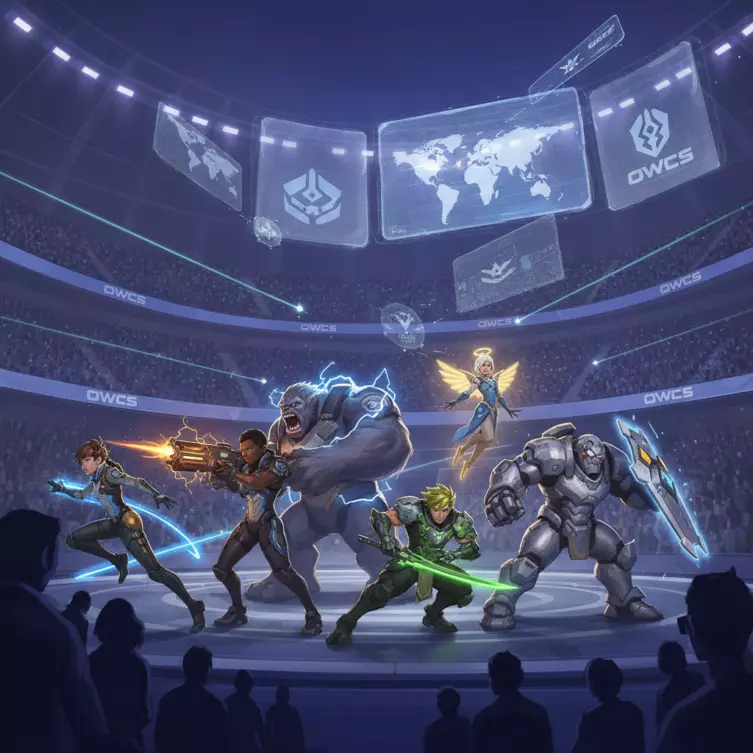
The year 2026 marks a decisive turning point for Blizzard's hero shooter, with the launch of Overwatch Now and a major restructuring of the competitive scene. Between the “Talon's Reign” narrative arc and the introduction of new gameplay mechanics, the Overwatch 2 OWCS 2026 ecosystem has established itself as a pillar of global esports, where the slightest positioning mistake costs precious seconds before respawning. Whether you are aiming for the top 500 or simply want to understand why your team collapses in the Champions Clash, this guide breaks down the meta, the OWCS structures and the key events of this pivotal season, which began with an intensive Bootcamp in Seoul.
9/10
- Complexity
- High (tactical 5v5)
- Current meta
- Hybrid Brawl / Dive
- Accessibility
- Tutorial 2.0 included
- Tempo
- Ultra-fast-paced
Key takeaways
Overwatch Now
The February 2026 overhaul stabilized 5v5, emphasizing Talon's narrative synergies and introducing a broad rebalancing of role passives.
Competitive meta
Reinhardt and Vital currently dominate professional compositions, offering a mix of extreme survivability and area control.
Schedule
Following Tokyo's championship in May, the circuit continues with Stage 2 in June and July, leading directly to EWC Paris at the end of July.
Structure
12 elite teams dominate the global circuit, including 11 official partner teams and one invited team from the Japanese qualifiers.
The Overwatch Now era and its impact on the pro circuit
According to Blizzard's official data, Overwatch 2 began its deepest transformation under the Overwatch Now name on February 10, 2026. This is more than a simple marketing operation: it marks the launch of the “Talon's Reign” narrative arc, which directly influences hero balance in the Overwatch 2 OWCS 2026 competition. Characters affiliated with the terrorist organization, including Doomfist, Widowmaker, Sombra and Mauga, received unique passive adjustments, forcing professional players to rethink their traditional compositions to counter this new systemic threat.
This revised seasonal structure enables smoother map rotations and integrates storytelling into high-level competitive matches. Even before the official launch, the world's best teams gathered in Seoul in February for an unprecedented preseason Bootcamp, allowing them to refine their strategies on the new patch. If you missed the start of the year, be aware that the game has become significantly more punishing: survival ability cooldowns were generally increased by 10%. This change demands surgical teamwork and constant communication between players. For those coming from other competitive games, check out our complete CS2 season guide to compare the demands of pure precision with Overwatch's complex ability management.
Why does it matter?
The rebranding aims to clarify the esports offering by merging lore and competition. Blizzard is seeking to create strong emotional engagement, similar to what Riot Games offers with League of Legends, turning every pro match into a chapter of the game's overall story. The introduction of in-game rewards tied to OWCS match results further strengthens the connection between casual players and the professional scene.
Roles and heroes: Who dominates the competitive meta?
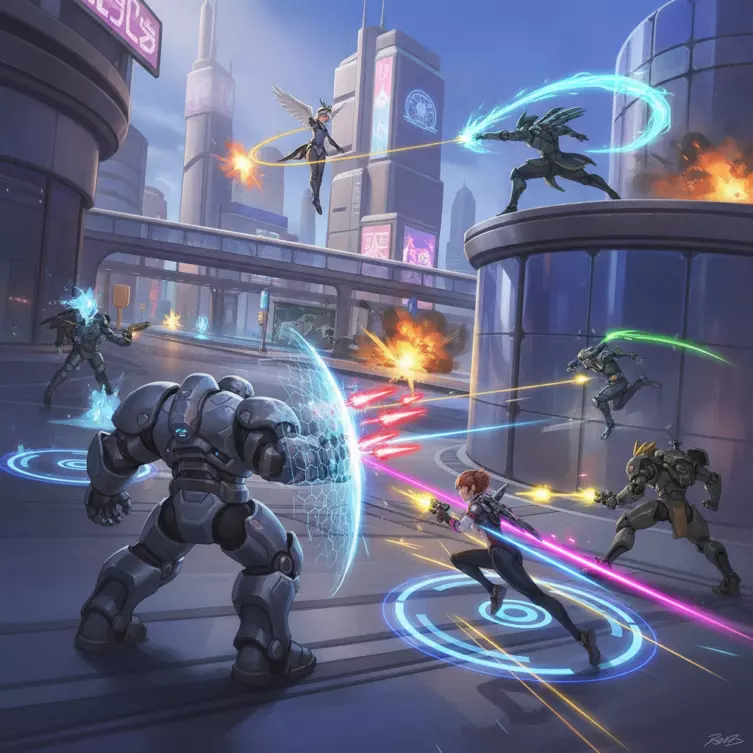
The Tank, Damage and Support trinity remains the foundation of 5v5, but the boundaries have blurred with the 2026 updates. The meta has currently crystallized around heroes capable of breaking static formations through coordinated aggression or powerful saving utility, making every engagement unpredictable.
Tank: The aggressive pillar
The Tank is no longer a simple passive shield. Following the major buffs in OWCS Stage 1, heroes such as Reinhardt, boosted by his new Wuyang legendary skin, have returned to the forefront. His ability to force an opening is now complemented by more mobile Tanks such as Winston and Doomfist, who are essential on highly vertical maps. The modern Tank must manage their threat space as carefully as their health, or risk being instantly punished by the DPS damage passive, which now reduces received healing more significantly.
Damage (DPS): Surgical precision
DPS heroes have seen their finisher role strengthened by a global reduction to healing received during combat. Hitscan heroes such as Cassidy and Sojourn dominate the highest ranks thanks to their ability to punish poor positioning at long range. At the same time, flankers such as Genji and Tracer benefit from the new shadowy areas added to this year's reworked maps. The priority is simple: force the enemy Support's utility, such as Baptiste's Immortality Field or Kiriko's Suzu, before launching the final assault coordinated by the team captain.
Support: The true conductors
The Support role is arguably the most complex today. Vital (Lifeweaver) has become a top-tier pick thanks to his ability to cancel enemy ultimates with Petal Platform and Life Grip, saving teammates from certain death. Supports no longer simply heal; they dictate the pace of fights through speed buffs and area-control abilities. Managing Ana's Biotic Grenade cooldown remains one of the most decisive factors in winning a team fight in 2026.
| Hero | Role | Tier (OWCS meta) | Ideal synergy |
|---|---|---|---|
| Reinhardt | Tank | S-Tier | Ana / Lúcio |
| Sojourn | DPS | A-Tier | Mercy / Zenyatta |
| Vital (Lifeweaver) | Support | S-Tier | Ramattra / Mauga |
| Tracer | DPS | S-Tier | Winston / Kiriko |
Understanding the OWCS: Circuit structure and participating teams
According to the schedule published by the OWCS, the Overwatch Champions Series has definitively replaced the former closed league with a hybrid system built around key regions: North America (NA), EMEA, Asia and China. For this edition, Blizzard brought together 12 elite teams for the final stages. This group includes 11 permanent partner teams, including giants such as Gen.G and T1, as well as a twelfth invited team from Japan, selected for its outstanding performances in the preseason training tournament.
The circuit is divided into stages that determine the world rankings. Stage 1, held from February 22 to April 13, showcased Asia's commanding dominance. However, Europe, led by historic organizations such as London Spitfire, is showing impressive signs of tactical resilience with innovative “Rush” compositions. Stage 2, currently running from June 13 to July 6, offers a total prize pool of $75,000 for the North American region, attracting the attention of analysts and bettors worldwide. For fans of major crossovers, this is also a busy period: after Overwatch, be sure to check out our Fortnite x Star Wars 2026 review to see how other giants handle their seasonal events.
China's integration into the regular circuit has also reshuffled the deck. After a period of absence, Chinese talent is returning with aggressive strategies that are challenging the established hierarchy. This regional diversity ensures a constant spectacle, with each Stage bringing its share of surprises and new headline players. Fans can now follow their favorite teams through an improved spectator interface, offering real-time statistics on accuracy and resource management.
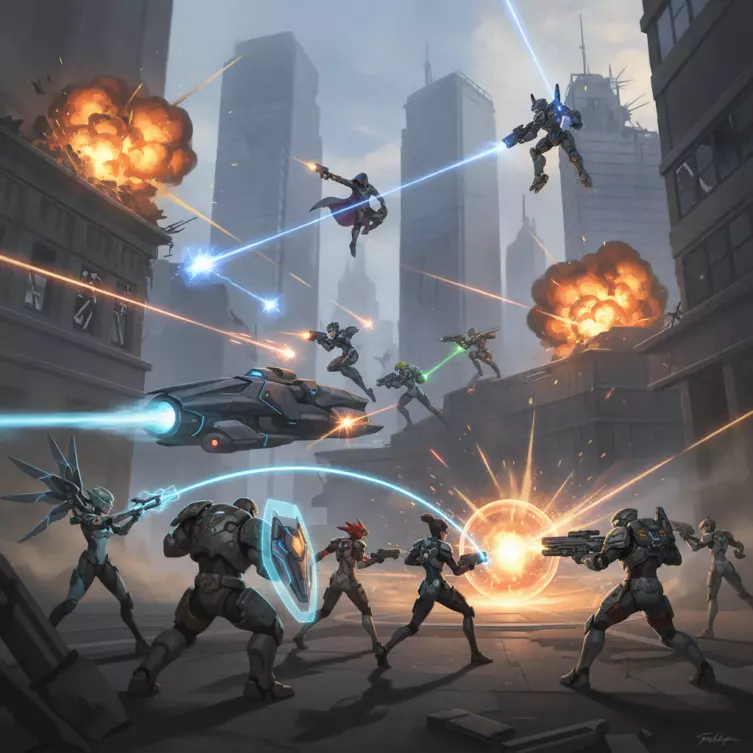
The 2026 season schedule: Key dates and stages
The season is a marathon that tests players' endurance and ability to adapt to biweekly patches. Here are the year's critical milestones, including the exact dates confirmed by the professional circuit's organizers:
Key circuit data: According to Blizzard's announcement, crowdfunding through skins helped produce a record prize pool this year. Stage 2 NA offers $75,000, while the Champions Clash distributed more than $500,000.
Stage 1 & Pre-Season
February 22 to April 13: This phase began with the Seoul Bootcamp in February, followed by the first regional qualifiers. Asia's dominance was confirmed during the first weeks of intense competition.
Champions Clash – Tokyo
May 23 to 25: The year's first major international event. Gen.G's emphatic victory in an electric atmosphere in Japan left a lasting impression, confirming their status as favorites for the world title.
Stage 2 NA / EMEA
June 13 to July 6: This stage is crucial for determining the qualifiers for the late-summer events. Matches take place every weekend, providing uninterrupted entertainment for fans in Western regions.
Midseason – Paris (EWC)
July 29 to August 2: The summer's major turning point at the Esports World Cup. Paris hosted the world's best teams for a single-elimination tournament won by ZETA DIVISION.
What works this season
- Crowdfunding through the “Wuyang” skins, which directly increases prize pools.
- Integrated storytelling that gives meaning to new maps such as the reworked “Esperança.”
- The open format, allowing non-partner teams to cause upsets in the qualifiers.
Points of friction
- The barrier to entry remains high for new viewers because of the visual speed of the game.
- The persistent skill gap between the Asian top three and the rest of the global field.
FAQ: Everything you need to know about the competition
- How do skins fund the competition?
- Themed bundle crowdfunding works through community milestones. In addition to increasing the pro prize pool, each sales milestone unlocks Battle Pass experience bonuses and exclusive cosmetics for all players, rewarding the community's investment in esports.
- Where can I rewatch the official matches?
- Official broadcasts take place on Twitch and YouTube. By linking your Battle.net account, you can unlock exclusive rewards such as skins, tags and icons based on your actual viewing time.
- Has 6v6 returned to the professional circuit?
- No, the official format remains 5v5 throughout the 2026 season. 6v6 is available only through temporary Arcade modes or custom servers for players nostalgic for the game's first era.
- What is the prize pool for Stage 2 NA?
- Stage 2 for the North American region has a total prize pool of $75,000, distributed among the best teams according to their final ranking on July 6.
Game.fr verdict: The year of maturity
Overwatch 2, in its “Now” form, has finally found its balance after years of adjustments. By tying its future to esports and offering a transparent business model, Blizzard has stabilized a once-fragile scene. The current meta is fast-paced and strategic, delivering high-level entertainment through heroes such as Reinhardt and Vital. If you had moved on from the game, now is the perfect time to return, just before the Paris showdown this summer. The editorial team is predicting a China versus Korea final, but Europe has never been closer to causing an upset with its new recruits. Which team will you support during July's crucial stage?