Quick answer: Microsoft entered the console market with the Xbox in 2001. Since then, four major generations have followed, from the original Xbox to Xbox Series X and Series S. Their names don't follow a regular numerical sequence, which makes a timeline useful: 360, One, Series X and Series S mark stages or models, not four additional generations on their own.
Xbox console timeline
| Console | First launch | Format | Key contribution |
|---|---|---|---|
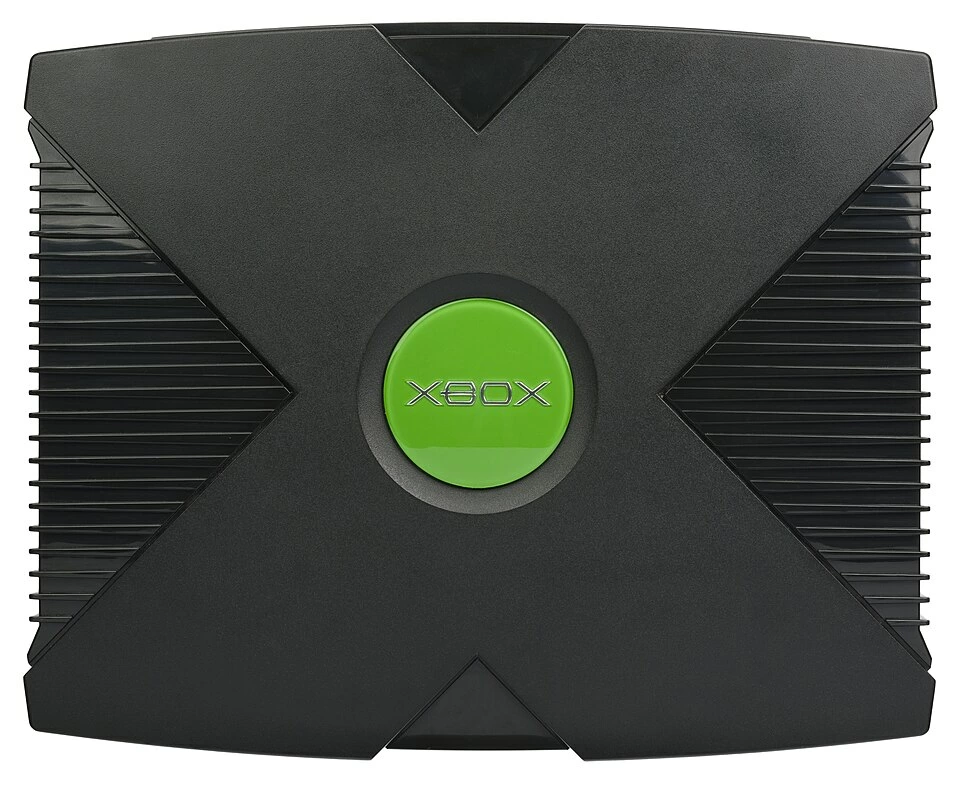
| Xbox | 2001 - North America | Home console | Built-in hard drive and Microsoft's arrival |
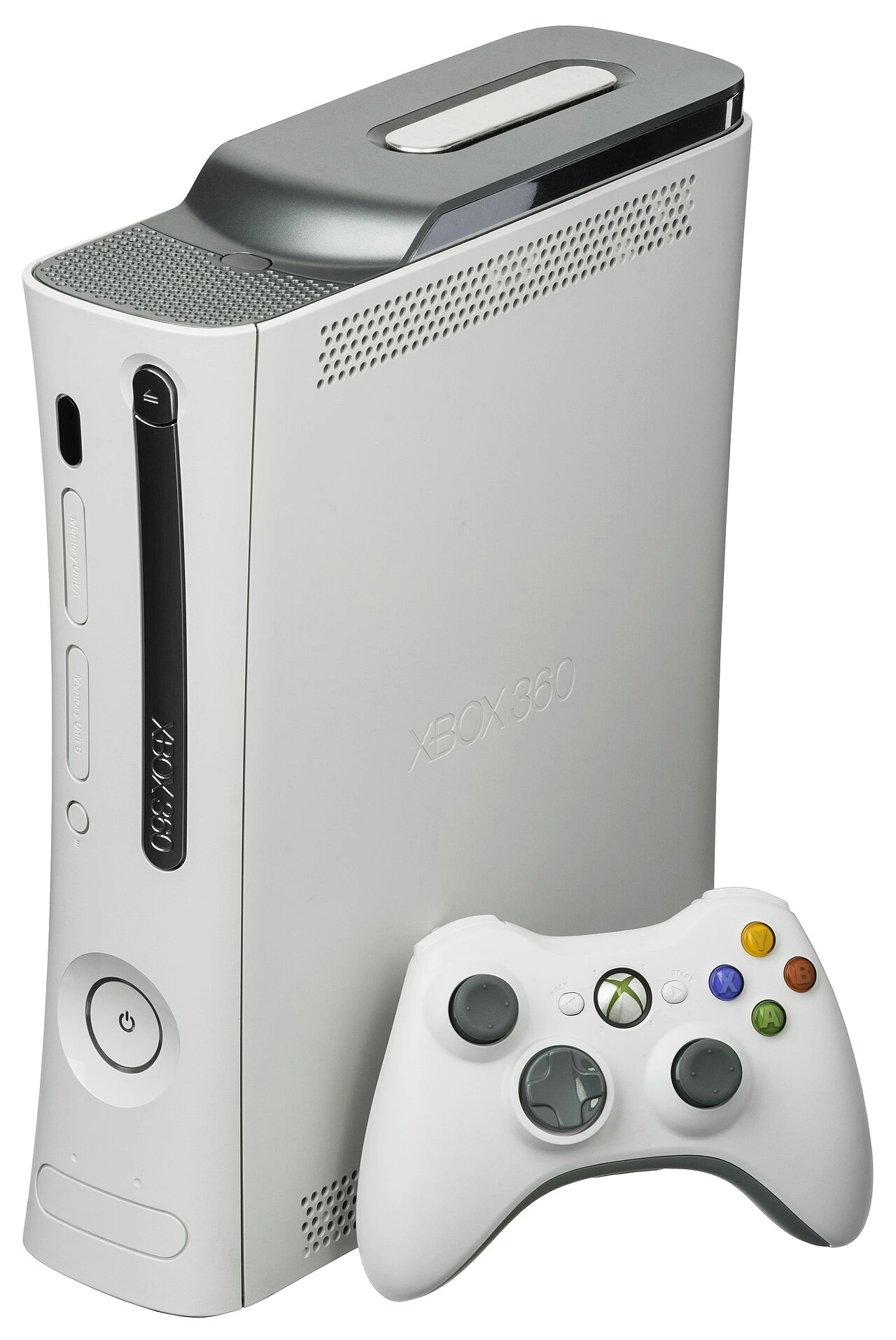
| Xbox 360 | 2005 - North America | Home console | Online services at the heart of the experience |
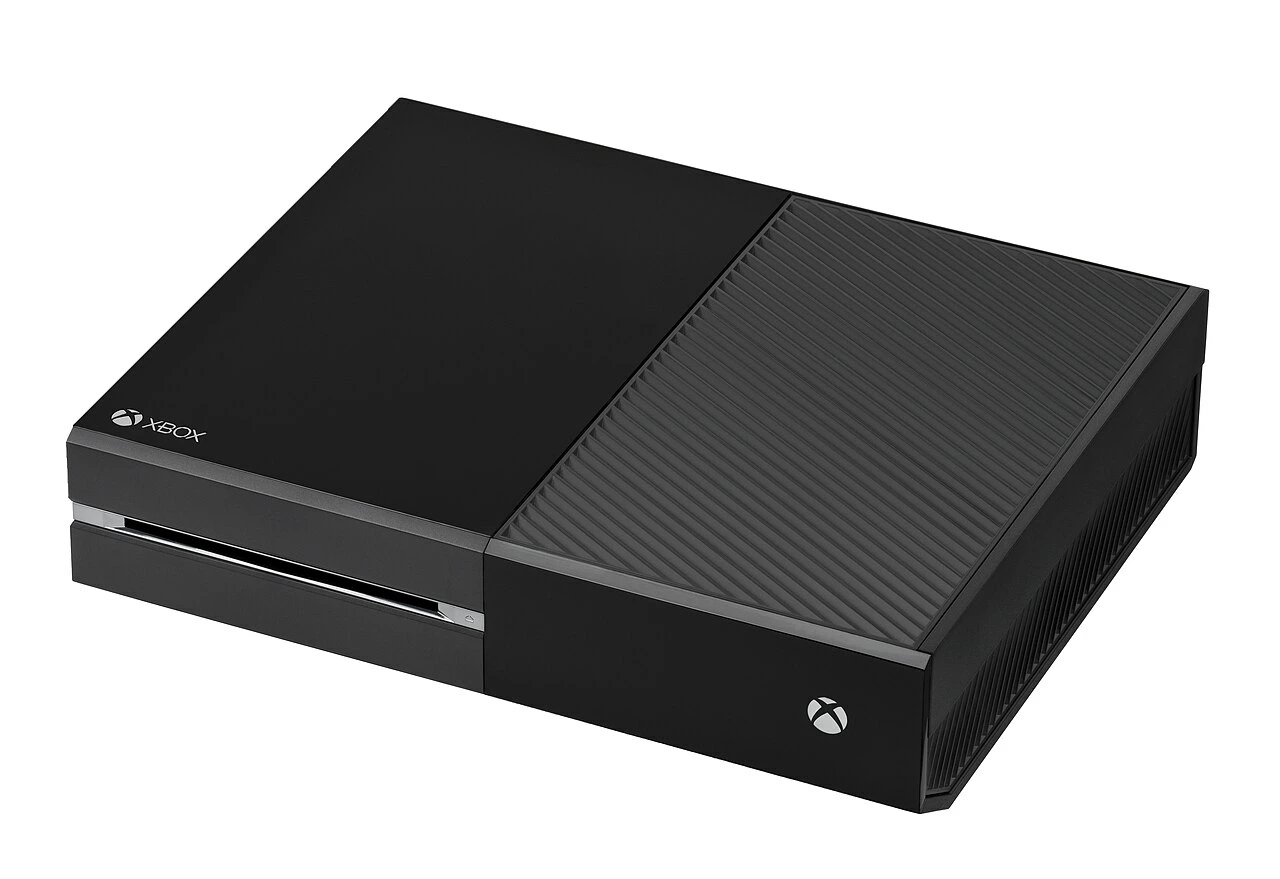
| Xbox One | 2013 - North America | Home console | Digital and multimedia ecosystem |
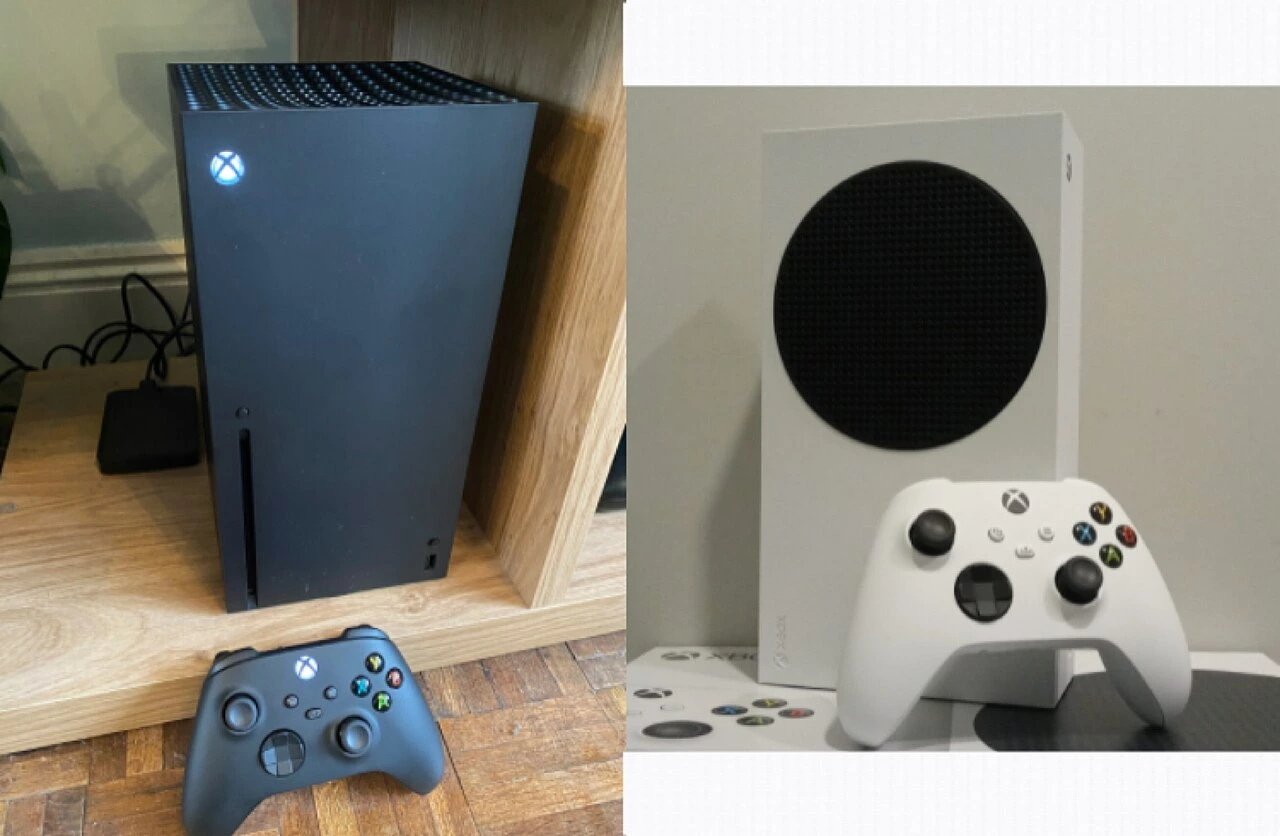
| Xbox Series X and Series S | 2020 - staggered worldwide launch | Home console | Two models in one generation, SSD and compatibility |
Xbox and Xbox 360: building an ecosystem
The original Xbox launched in North America in November 2001, then reached other regions. Halo gave the console a defining identity, while its built-in hard drive and Xbox Live helped shape its strategy. The Xbox 360 arrived in 2005, bringing connected gaming, Achievements and the digital storefront to the forefront. The official 20th-anniversary Xbox retrospective looks back at the initial launch and the evolution of the ecosystem.
The Red Ring of Death, a defining reliability issue
Some Xbox 360 consoles suffered a general hardware failure indicated by three red lights around the power button, commonly known as the Red Ring of Death. On July 5, 2007, Microsoft extended the worldwide warranty to three years for this issue. The announcement acknowledged an unacceptable number of repairs and also provided for refunds on repairs customers had already paid for. At the time, Microsoft estimated the financial charge at between $1.05 billion and $1.15 billion to cover costs related to the hardware issues and warranty extension.
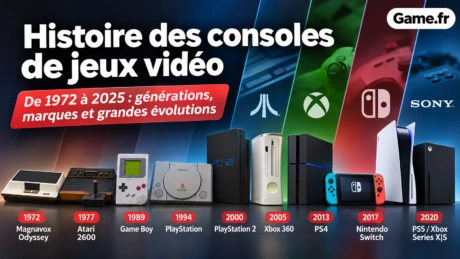
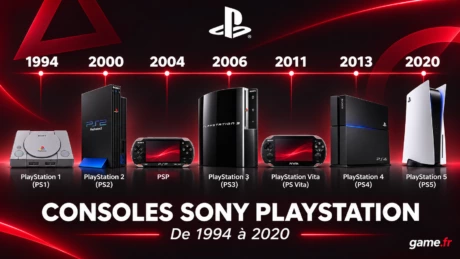
Microsoft's entry into the market also makes sense in the context of the PS2: our PlayStation console timeline puts the two console families in their historical context.
Xbox One: a generation in transition
The Xbox One went on sale in 2013. Its initial messaging placed a strong emphasis on multimedia and services, before the product strategy was revised. The One S and One X changed the hardware within the same family; they did not create two separate generations. To assess this console's history, it's important to distinguish between its launch, software updates, the arrival of new models and the way Microsoft later expanded compatibility with older games.
Game Pass becomes a cornerstone of the ecosystem
In June 2017, Microsoft launched Xbox Game Pass, a subscription offering access to a catalog of downloadable games. In January 2018, the company announced that new releases from its studios would join the service on their release day. This gradual shift made the subscription a cornerstone of the Xbox ecosystem, beyond the traditional sale of consoles and games.
Series X and Series S: two choices, one generation
Xbox Series X and Series S launched on November 10, 2020, in 40 markets, before gradually rolling out to other territories. They differ in capabilities and form factor, but Microsoft presents them as two models in the same generation, sharing a gaming ecosystem. The SSD, loading times and compatibility with several previous generations are central to the offering. Series S should not be counted as a "fifth Xbox" in the sense of an independent generation, and universal compatibility should not be promised without checking the game in question.
Halo, Forza and Gears: three landmarks in the lineup
Halo helped usher in the original Xbox; Forza Motorsport later became part of the lineup, while Gears of War debuted on Xbox 360. These series show how Microsoft built a platform identity alongside its hardware choices and Xbox Live. The 15th anniversary of Xbox and the Xbox 360 retrospective look back at these milestones.
What's next after Xbox Series X|S? Project Helix is in development
Microsoft is officially working on a new generation of Xbox consoles known as Project Helix. Presented in more detail in March 2026, the project is based on an architecture developed with AMD and aims to bring Xbox and PC gaming closer together. Microsoft plans to provide developers with the first alpha versions of the hardware starting in 2027. As of November 11, 2026, no release date or final price has been confirmed. Project Helix is therefore not yet among the generations available for purchase.
The network port came before Xbox Live
The original Xbox had a network port from its launch in 2001, while the Xbox Live service did not open until November 2002. Microsoft describes this bet in an official retrospective: players didn't need to buy a modem or network adapter later to use the service. The hardware and service timelines don't always line up. This distinction also helps explain why online gaming became a defining part of the Xbox 360, beyond the change in console hardware.
Frequently asked questions
Are Xbox Series X and Series S two different generations?
No. They are two models in the same Xbox Series family, launched in 2020.
How many major Xbox families have launched?
Four: Xbox, Xbox 360, Xbox One and Xbox Series X|S.
Keep reading: discover other manufacturers in our history of video game consoles and browse our list of consoles by release date.
Sources and methodology
Dates refer to the first commercial launch, with the region indicated. Variants of the same hardware are grouped together; dates may vary by country. Verified: November 11, 2026.