Quick answer: The first PlayStation arrived in Japan in 1994, establishing Sony as one of the major console makers. The brand then advanced through generations of home consoles while also branching out into handhelds with PSP and PS Vita. Slim and Pro models, as well as remote-play devices, do not all belong at the same level in this timeline.
- 1994 - PlayStation
- 2000 - PlayStation 2
- 2004 - PSP
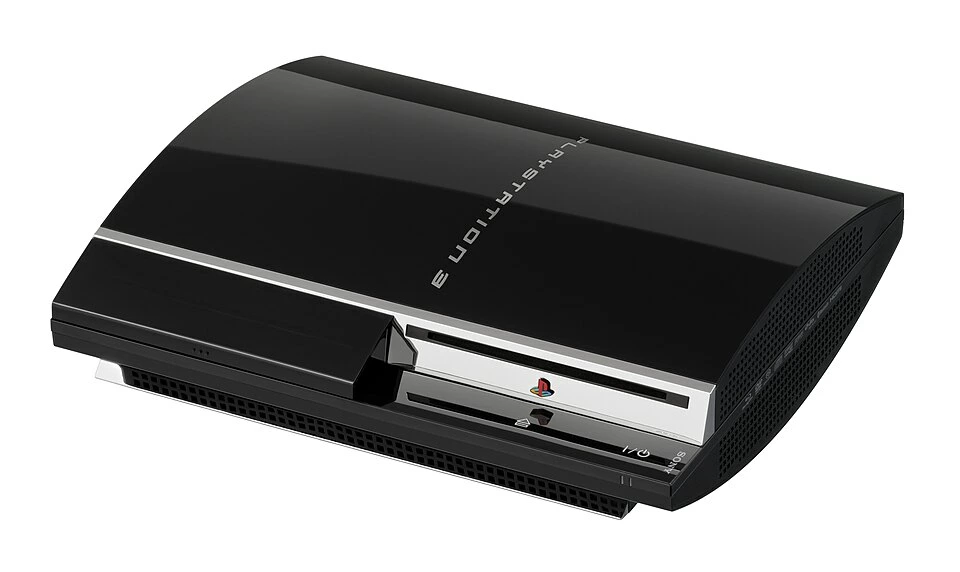
- 2006 - PlayStation 3
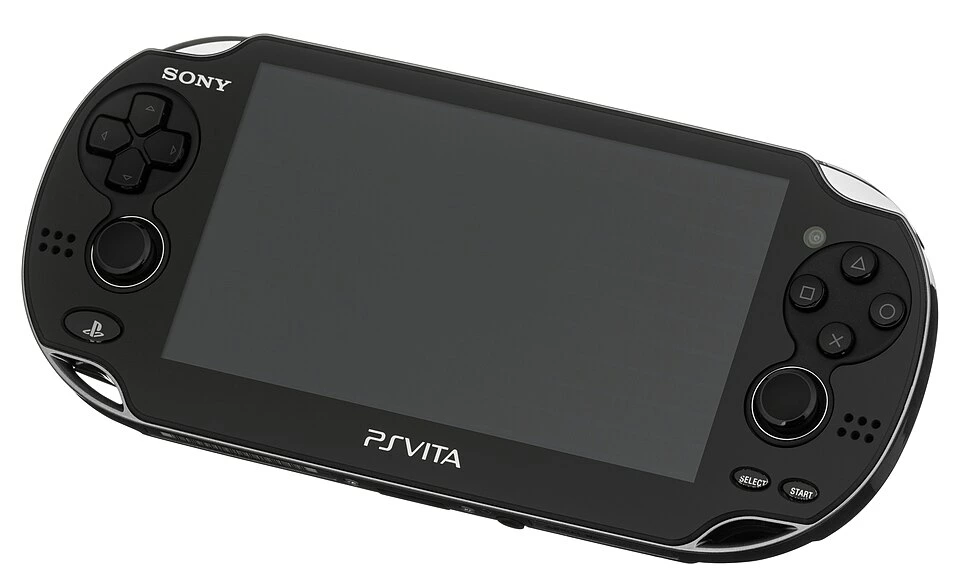
- 2011 - PlayStation Vita
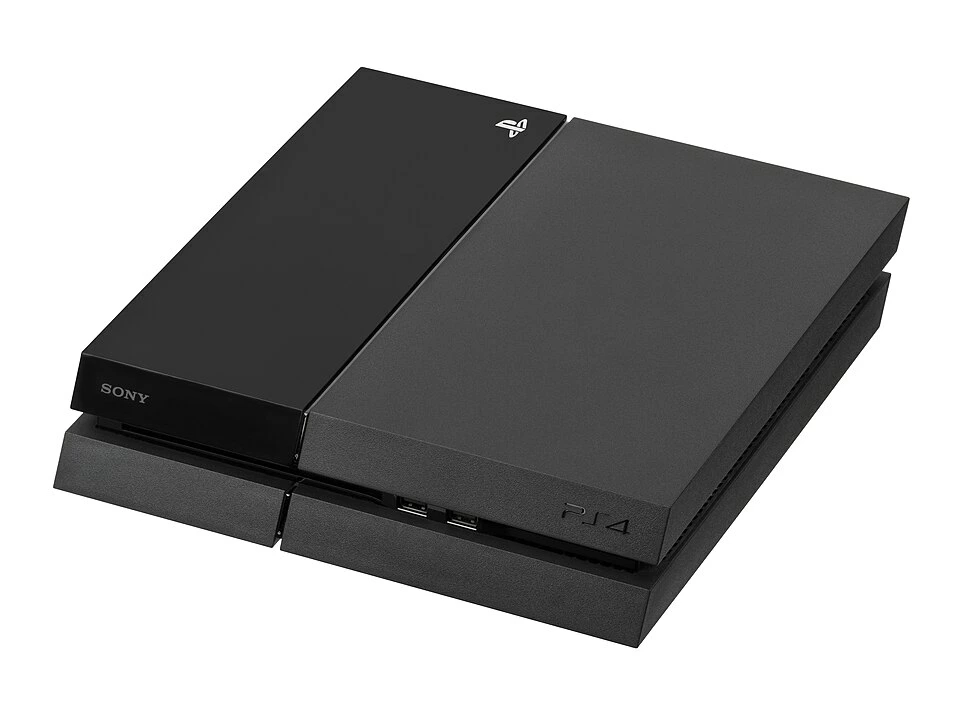
- 2013 - PlayStation 4
- 2020 - PlayStation 5
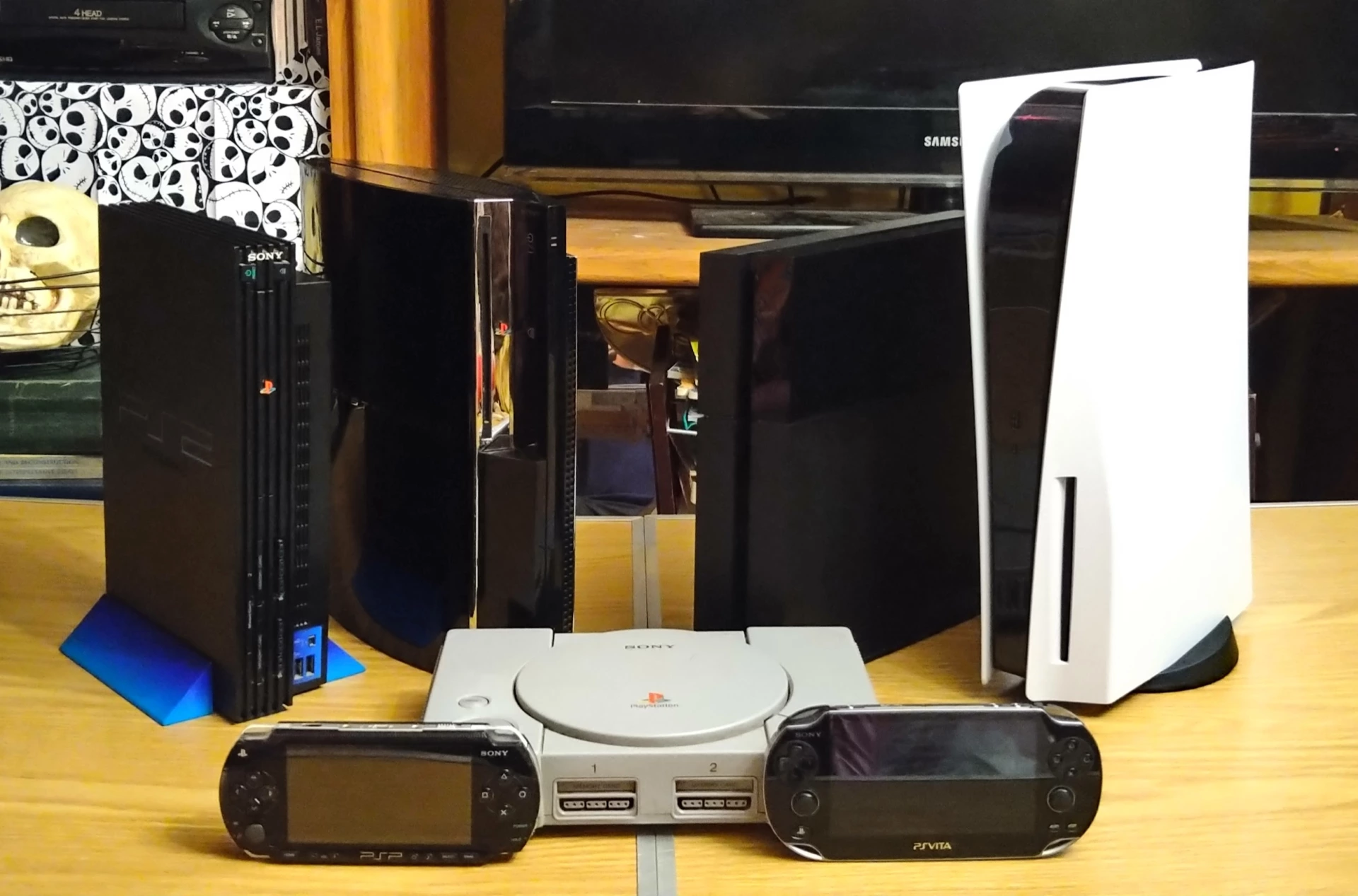
PlayStation console timeline
| Console | First launch | Format | Main contribution |
|---|---|---|---|
| PlayStation | 1994 - Japan | Home | CDs and mainstream 3D games |
| PlayStation 2 | 2000 - Japan | Home | DVDs and a vast library |
| PSP | 2004 - Japan | Handheld | UMD games and multimedia |
| PlayStation 3 | 2006 - Japan | Home | Blu-ray and connected services |
| PlayStation Vita | 2011 - Japan | Handheld | Touchscreen and new controls |
| PlayStation 4 | 2013 - United States | Home | Digital distribution and sharing |
| PlayStation 5 | 2020 - United States and Japan | Home | Built-in SSD and DualSense controller |
PlayStation and PS2: from CD to DVD
In 1994, Sony entered the console market, facing Nintendo and Sega. The original PlayStation embraced CDs and 3D games that shaped its identity; Final Fantasy VII, Gran Turismo and Metal Gear Solid exemplify the expansion of its game library. Sony's company timeline places its Japanese launch in December 1994, ahead of its arrival in Europe in 1995.
The 2000 PlayStation 2 stood out for more than its DVD drive and extensive library. It also played discs from the original PlayStation, helping players keep their games when they moved to a new generation. Sony brings together these three strengths—games, DVDs and PS1 compatibility—in its official history of the PS2.
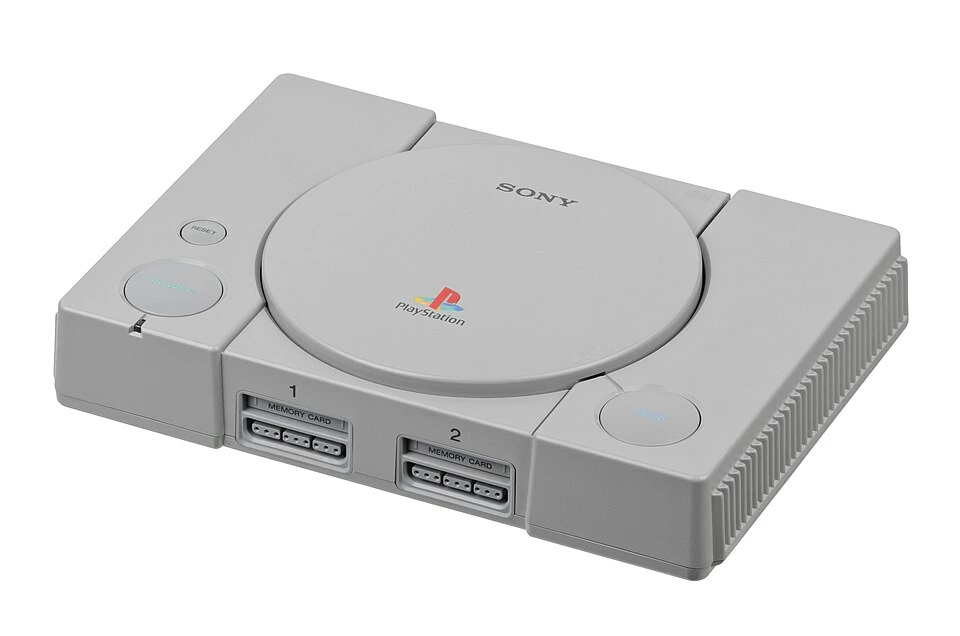
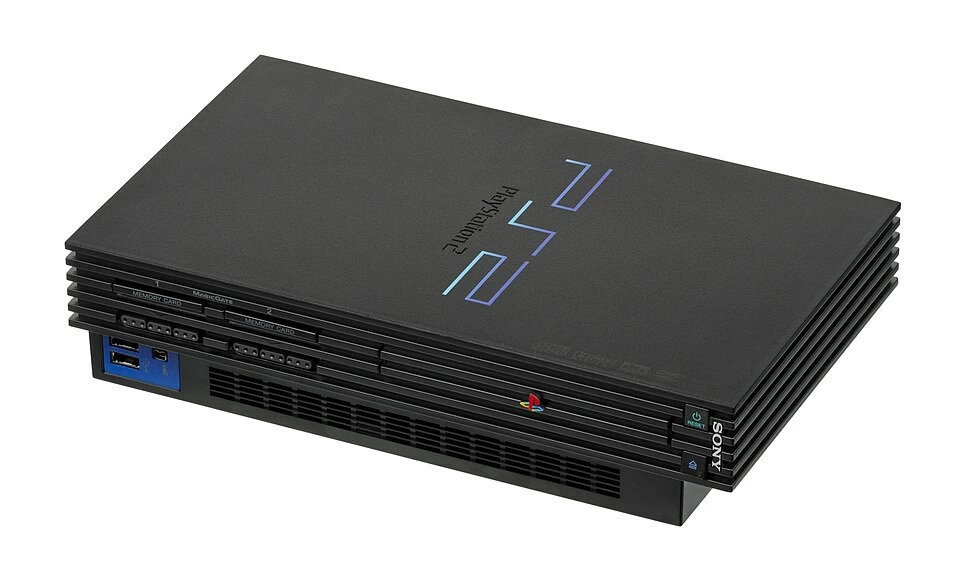
Did you know? The PS2 could run Linux
In 2002, Sony officially released a Linux kit for certain PlayStation 2 models. It included a 40 GB hard drive, a network adapter, a keyboard, a mouse and the necessary software. This made the console a platform for computer enthusiasts to experiment and program, beyond video games. Sony details compatible models and the kit's contents in its January 30, 2002, press release.
PSP and Vita: the handheld branch
The PSP launched in Japan in 2004. It combined games on UMD, a widescreen display for its time and multimedia features. The PS Vita, launched in Japan in 2011, introduced touch controls on both sides, among other features. Their game libraries and place in the market cannot be reduced to miniature versions of the PS2 or PS3. Comparing them with Nintendo handhelds means considering battery life, games, formats and distribution strategies.
To explore Sony's handheld games and uses today, check out our PS Vita guide for 2026. Our history of Nintendo consoles also helps put the two console families in context.
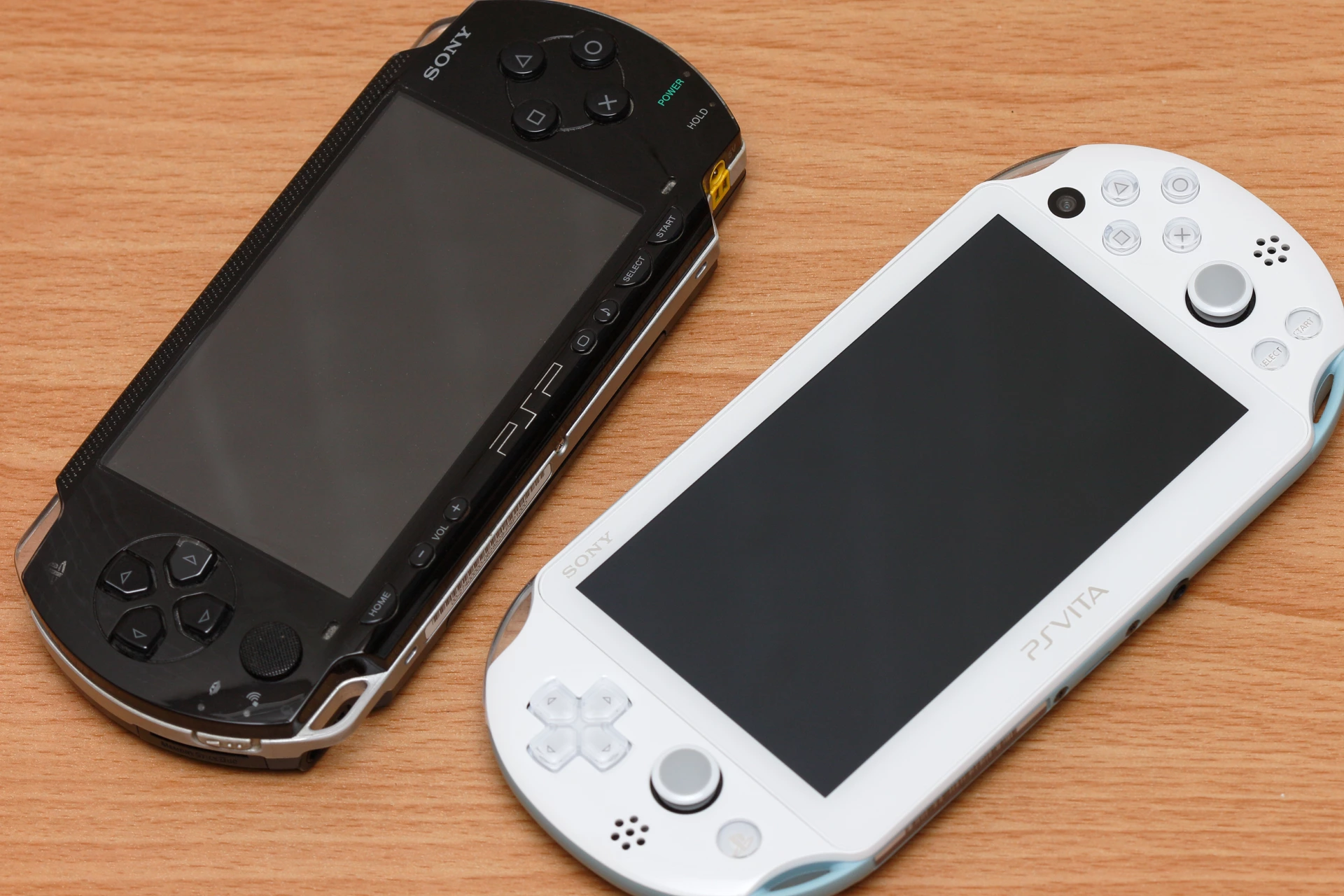
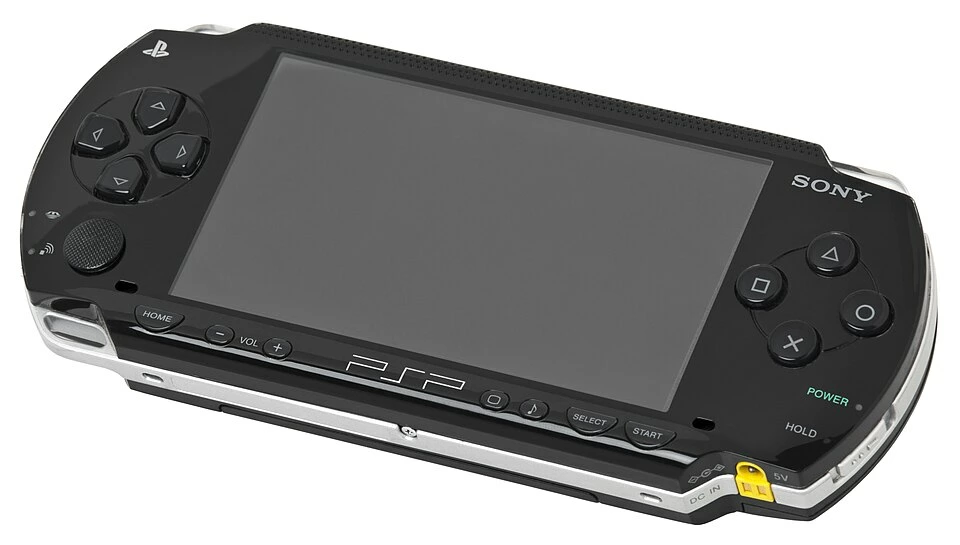
When the PSP became a GPS
Announced in 2007, Go!Explore paired the PSP with a GPS receiver and maps on UMD to guide car journeys or walks. Sony also announced 3D views of certain cities and landmarks. This use illustrates the handheld's multimedia ambitions, far beyond games. Sony's August 23, 2007, European press release describes the system.
PS3, PS4 and PS5: network, services and storage
The PS3 adopted Blu-ray, but its turning point went beyond the disc: PlayStation Network launched alongside the console in November 2006, according to Sony's timeline. Accounts, the store and online services have since held a lasting place in the PlayStation ecosystem.
With the 2013 PS4, the DualShock 4's Share button made capturing and broadcasting gameplay much more immediate. At launch, Sony outlined the ability to share screenshots, videos and live streams. The 2020 PS5 speeds up loading with its SSD and changes the feel in your hands: the DualSense combines haptic feedback with adaptive triggers, whose resistance can vary depending on the action. Compatibility with PS4 games depends on the title; launch schedules also vary by region. To compare the console families of this period with Microsoft's, see our history of Xbox consoles.

The PS3 also contributed to scientific research
Starting in 2007, PS3 owners could put some of their console's computing power to work for Folding@home, a Stanford University project focused in part on simulating protein folding. As of August 21, 2007, Sony counted more than 536,000 downloads of the application by PS3 users around the world. Sony's press release gives this figure and explains the Cell processor's role in the calculations.
Revisions and PlayStation-related devices
PS4 Pro and PS5 Pro enhance existing console families, while Slim models mainly change the form factor and some hardware details. Neither represents a new generation in its own right.
PlayStation Portal, released in 2023, is not a new console generation. Initially designed for remote play of games installed on a PS5, it has also offered cloud streaming as an official feature since November 6, 2025, following a beta phase that began in 2024. PlayStation Plus Premium subscribers can access a selection of compatible PS5 games directly from Sony's servers, without owning a PS5. Unlike PSP and PS Vita, Portal does not run games locally: a Wi-Fi internet connection is still required. Sony's official announcement distinguishes remote play from cloud gaming; the available game selection varies by region and over time.
Another device related to the Vita, PlayStation TV, first launched in Japan in November 2013 as PS Vita TV, then in North America and Europe in 2014. It lets players enjoy a selection of compatible Vita titles on a TV and use PS4 Remote Play. To compare the original Vita, the Slim and this TV version, see our PS Vita and PS TV model comparison. It is a Vita ecosystem variant, not a separate generation: Sony lists these launches in its timeline.
PocketStation: the handheld accessory not to confuse with PSP
Before the PSP, Sony sold the PocketStation in Japan, a small device linked to certain original PlayStation games. Players could transfer data to it and take character interactions with them; however, it depended on compatible PlayStation games and was not a standalone console line. A Sony announcement recalls its launch in January 1999 and its return as an app on PS Vita in 2013. This continuity is worth noting when tracing the history of Sony handhelds, without artificially adding a generation between PS1 and PSP.
Frequently asked questions
How many generations of PlayStation home consoles are there?
Five major numbered console families have been released, from the original PlayStation through PS5.
Does PlayStation Portal replace PS Vita?
No. Portal can stream some PS5 games without you owning a PS5, with PlayStation Plus Premium, or use remote play from a PS5. It does not run games locally and cannot play games offline like PSP or PS Vita.
Read on: Explore other manufacturers in our history of video game consoles and browse our list of consoles by release date.
Sources and methodology
Dates refer to the first commercial launch, with the region indicated. Variants of the same hardware are grouped together; dates may differ by country. Checked: November 11, 2026.
- Sony Interactive Entertainment - detailed timeline
- Sony Interactive Entertainment - brand history
- Sony Interactive Entertainment - hardware data
- PlayStation - PS2 DVD playback and backward compatibility
- PlayStation Blog - DualShock 4 Share button
- PlayStation Blog - DualSense adaptive triggers
- PlayStation Blog - official launch of cloud gaming on Portal
- Sony - PlayStation TV and PS Vita TV
- Sony Interactive Entertainment - Linux kit for PlayStation 2 (2002)
- Sony Interactive Entertainment - Go!Explore announcement for PSP (2007)
- Sony Computer Entertainment America - Folding@home on PS3 (2007)