Quick answer: The PC Engine launched in Japan in 1987, developed by NEC with technology and games from Hudson Soft. Its North American name, TurboGrafx-16, and its many variants can make timelines confusing. This is not a story of a new generation arriving every year: several models belong to the same gaming family.
Timeline of NEC and Hudson consoles
| Console | First launch | Format | Main contribution |
|---|---|---|---|
| PC Engine / TurboGrafx-16 | 1987 - Japan (PC Engine); 1989 - United States (TurboGrafx-16) | Home console | HuCard games; different name in North America |
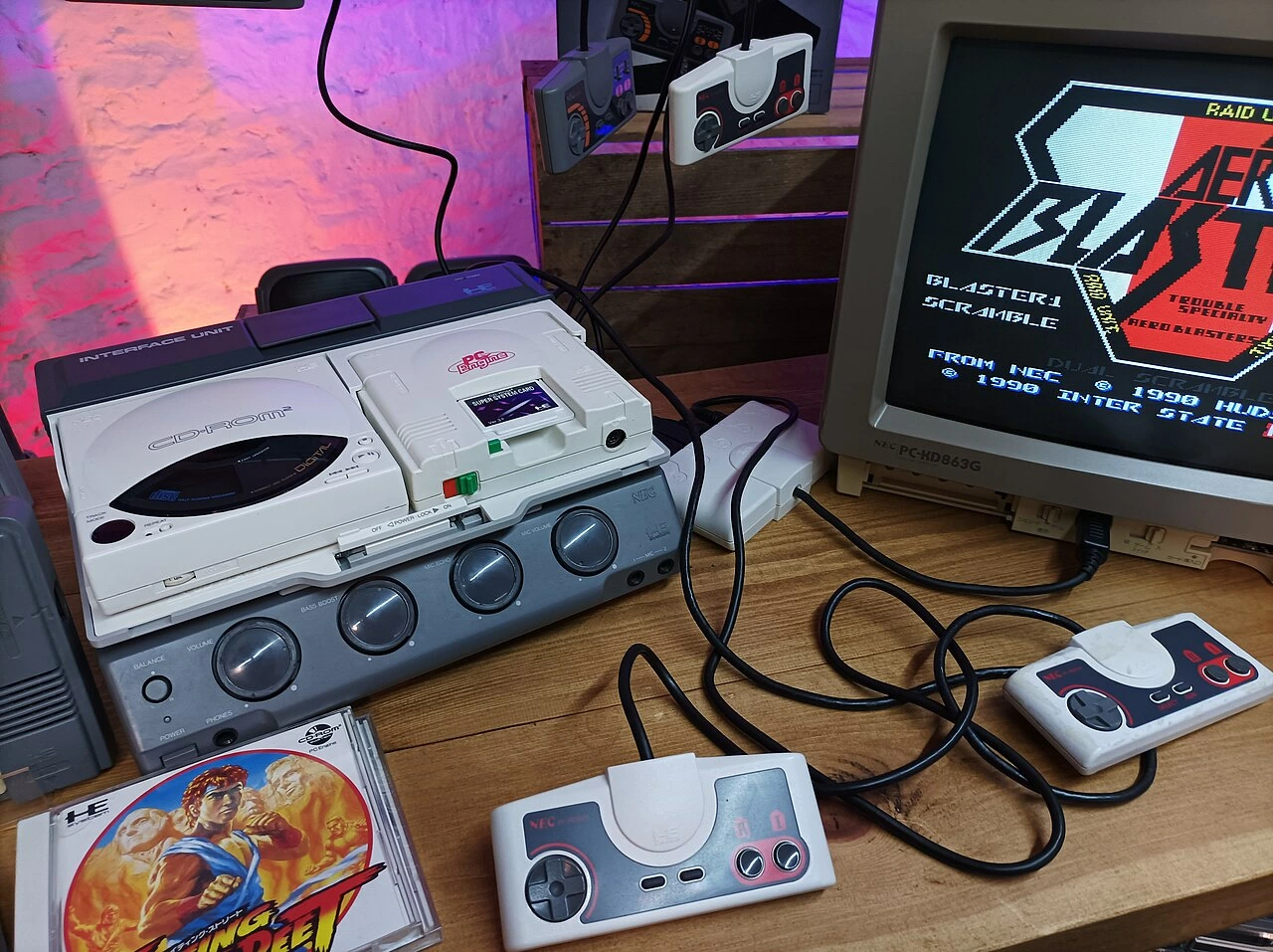
| CD-ROM² | 1988 - Japan | Expansion | Disc drive for the PC Engine |
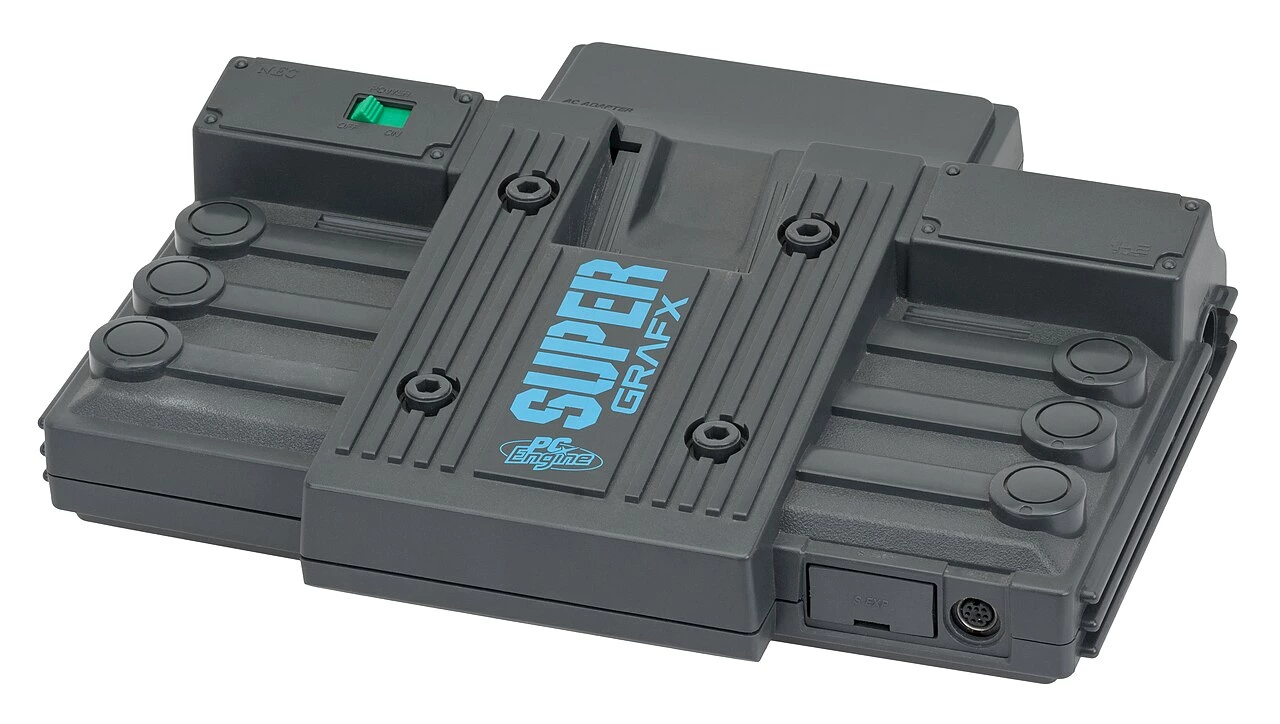
| SuperGrafx | 1989 - Japan | Home console, enhanced variant | Hardware evolution of the PC Engine family |
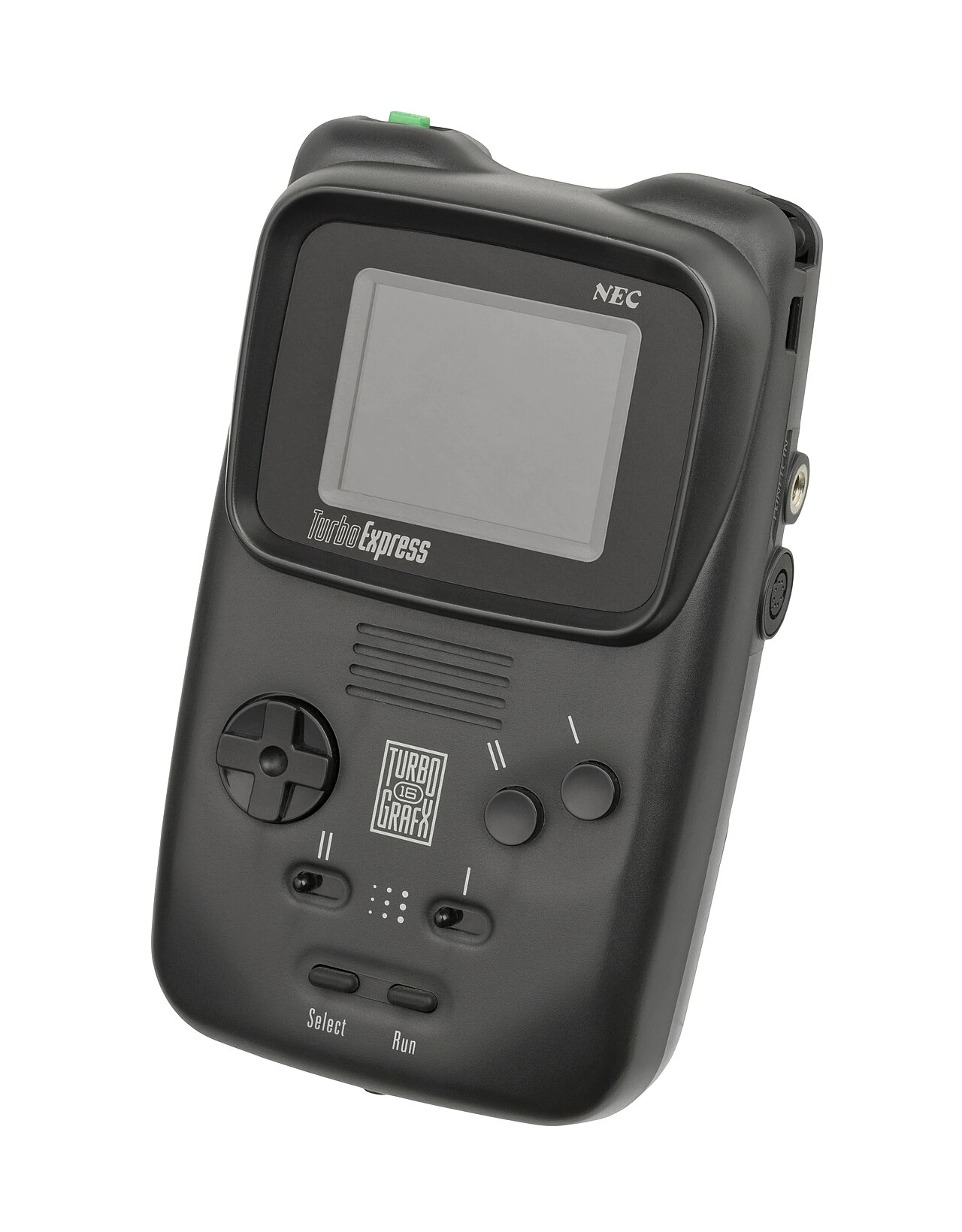
| PC Engine GT / TurboExpress | 1990 - Japan | Handheld | HuCard games on a color screen |
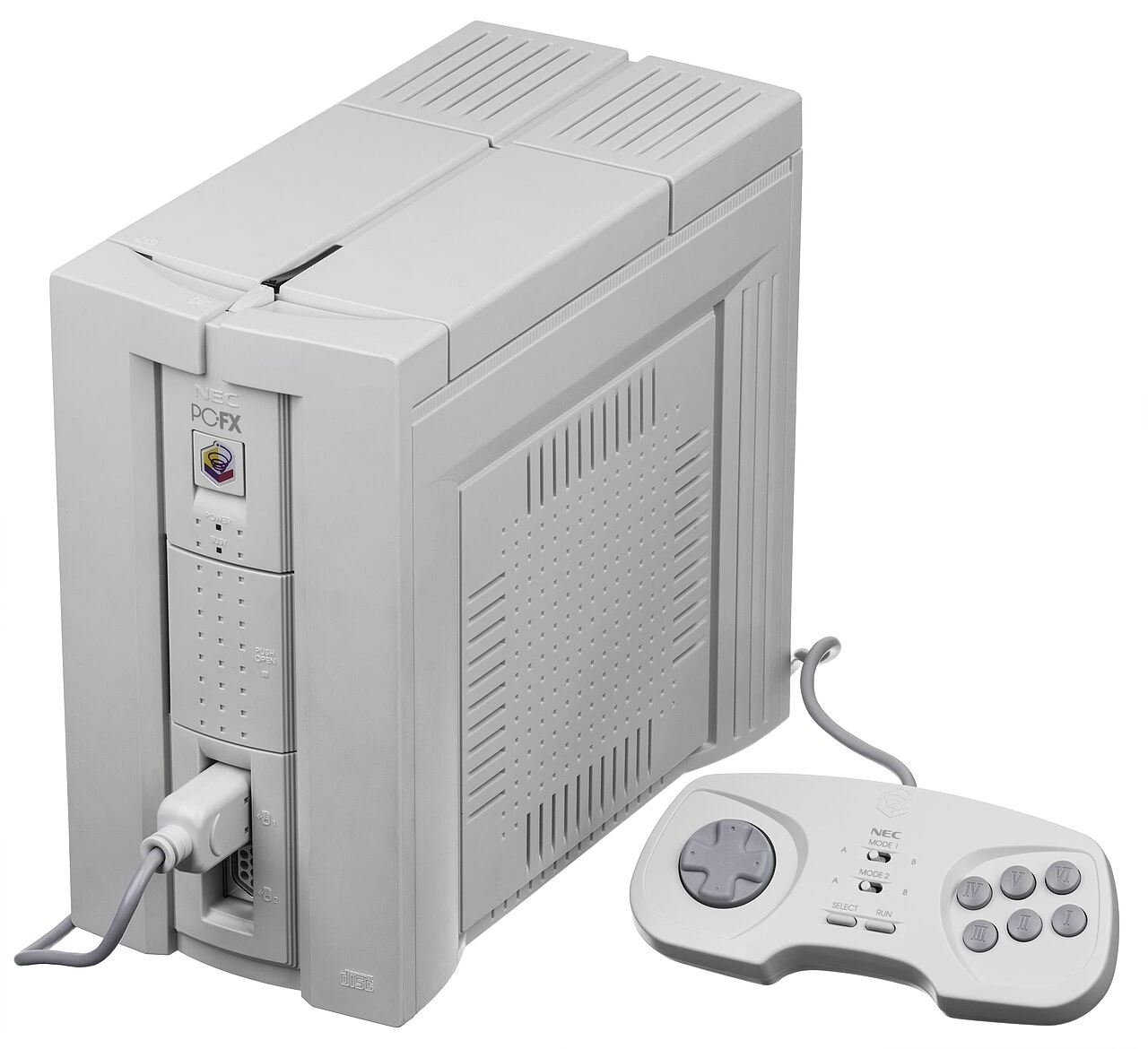
| PC-FX | 1994 - Japan | Home console | New CD-based platform, separate from the PC Engine |
PC Engine: a small machine with a big library
The PC Engine stood out for its HuCard game cards and strong presence in the Japanese market in the late 1980s. R-Type, Bonk and other adaptations helped build its reputation. The TurboGrafx-16 was the version sold in North America from 1989; the change in name and casing did not create a separate generation. The Centre for Computing History documents the NEC-Hudson collaboration and the family's variants.
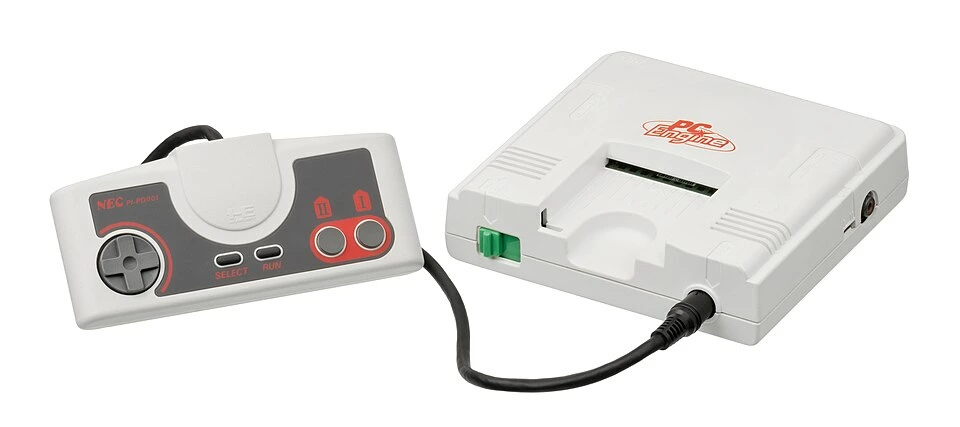
The PC Engine port of R-Type helped raise the console's profile: the Centre for Computing History describes it as a turning point in its Japanese sales.
The PC Engine in France: Sodipeng's role
In France, Sodipeng, founded in November 1989 to import and distribute the PC Engine, adapted Japanese systems for the local market and supplied them to retailers. This more limited distribution compared with Nintendo or Sega also explains the PC Engine's distinctive place in French gaming history.
CD-ROM² and SuperGrafx: expanding without starting over
The CD-ROM² drive added a new game format to the PC Engine; it was an expansion, even if some bundles were later sold in new configurations. The SuperGrafx then upgraded the hardware while remaining part of the PC Engine family, but it did not become its universal successor. In a historical overview, describing it as an enhanced variant is clearer than automatically treating it as the start of a new generation. The available library and compatibility should still be checked for each model.
1988: NEC paves the way for CD-ROM gaming
As early as December 1988, NEC launched the CD-ROM² in Japan, an expansion that allowed the PC Engine to play games from disc. While most consoles still used cartridges, this format offered much more space for recorded music, voice acting and animated sequences. NEC was exploring CD gaming several years before Sega's Mega-CD and Sony's first PlayStation.
SuperGrafx: just five games built for its capabilities
Despite a second graphics chip and more memory, the SuperGrafx received only five commercial games developed specifically for its capabilities, including Aldynes, Battle Ace and 1941: Counter Attack. This extremely small library explains why it failed to replace the standard PC Engine, even though it could also play many games from that system.
CD-ROM² in action: Ys I and II
The change in format is evident in the games: on PC Engine, Ys I and II brings together two Nihon Falcom adventures thanks to the CD-ROM's capacity. Its sound and presentation also benefit from the new format. Konami's official catalogue, published for the PC Engine mini, highlights this example of the transition from HuCard to disc.
The trap of variants and compatibility
Not every machine bearing the PC Engine name supports the same expansions. The PC Engine Shuttle, a variant in the family, cannot connect to the original CD-ROM² drive, unlike other models. For players and collectors, it is therefore more useful to distinguish a new console from a revision, and to check actual accessory compatibility, than simply to line up release dates.
PC Engine GT: HuCards on the go
The PC Engine GT, called TurboExpress in North America, played games from the family on a portable color screen. The idea was remarkable for its time, but its size, price and battery life make it difficult to compare directly with a Game Boy. It was a handheld console, not simply a television accessory. That is precisely why handheld systems deserve their own timeline in the main article.
PC-FX: betting on animation as 3D takes off
Released in Japan in December 1994, the PC-FX had a vertical design resembling a computer tower. NEC prioritized high-quality 2D animation and video over accelerating polygon-based 3D graphics. This technical choice set the console apart from the PlayStation and Saturn, but limited its appeal as 3D games became increasingly important.
The PC-FX was a new disc-based platform and did not automatically play PC Engine games; the NEC label alone was no guarantee of software continuity. It brought NEC's major home console story to a close without diminishing the importance of the PC Engine, its expansions and its role in the development of CD gaming.
Frequently asked questions
Are the PC Engine and TurboGrafx-16 two different generations?
No. They are regional names and versions of the same hardware family, first launched in Japan.
Is the CD-ROM² a standalone console?
It was originally an expansion for the PC Engine; some configurations later integrated it into a single case.
Read more: Find other manufacturers in our history of video game consoles and browse our list of consoles by release date.
Sources and methodology
First commercial launch dates, with region indicated. Variants of the same hardware are grouped together; dates may differ by country. Verified: November 11, 2026.