Quick answer: Atari did not invent the home console: the Magnavox Odyssey came first. However, the company transformed the market with Home Pong, and especially with the 1977 VCS, later renamed the Atari 2600. Its history shows how a brand can dominate one generation before losing its lead to new competitors.
Atari console timeline
| Console | First launch | Format | Main contribution |
|---|---|---|---|
| Home Pong | 1975 — United States | Dedicated home console | Built-in game inspired by the arcade |
| VCS / Atari 2600 | 1977 — United States | Home console | Cartridges and a large library |
| Atari 5200 | 1982 — United States | Home console | American successor focused on arcade experiences |
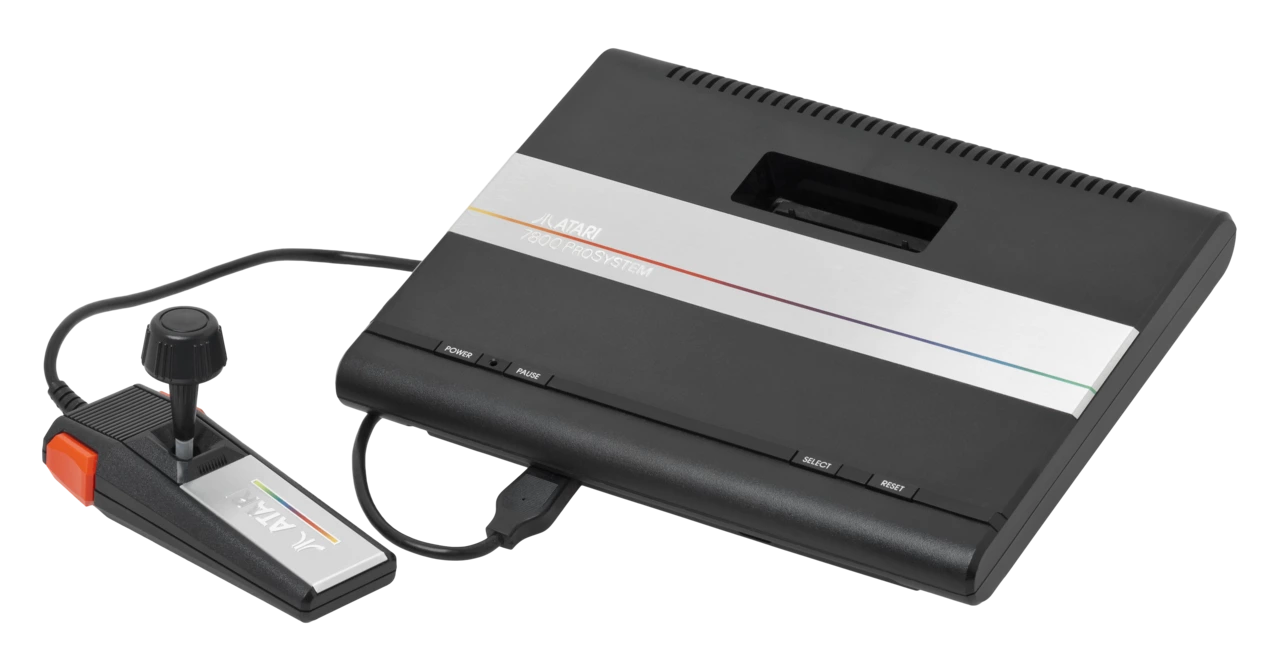
| Atari 7800 | 1984 — United States, limited launch | Home console | Compatibility with many 2600 games |
| Atari Lynx | 1989 — United States | Handheld | Color screen and portable gaming |
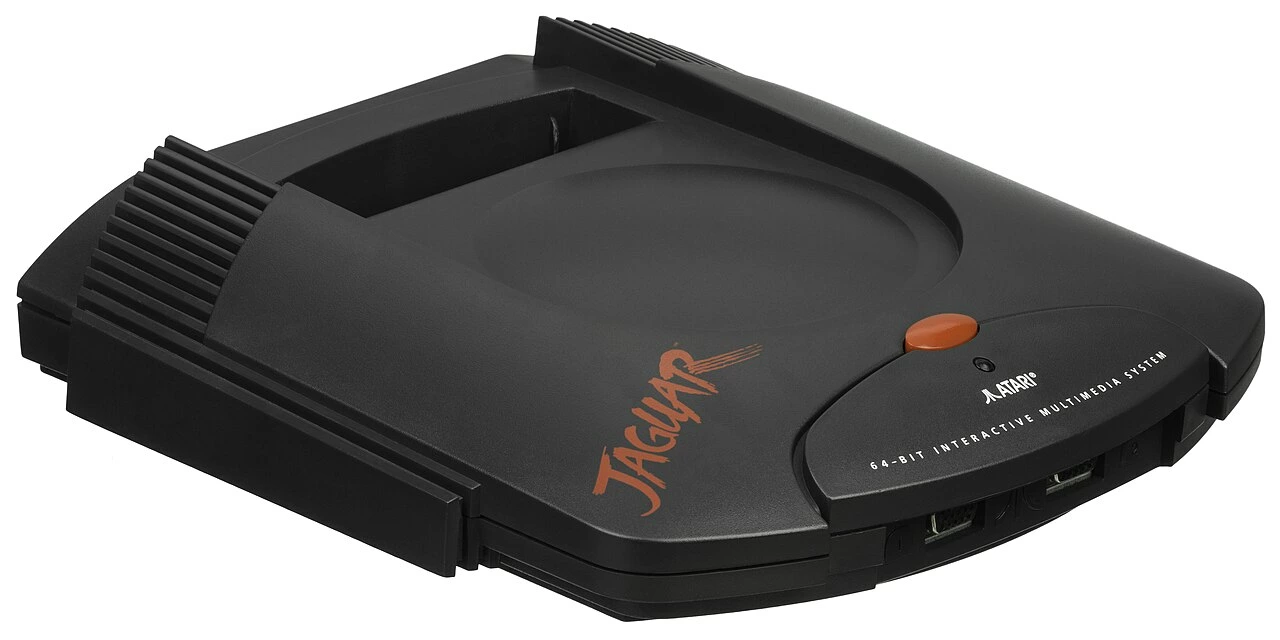
| Atari Jaguar | 1993 — United States | Home console | Atari's last major console of the era |
From Pong to the VCS
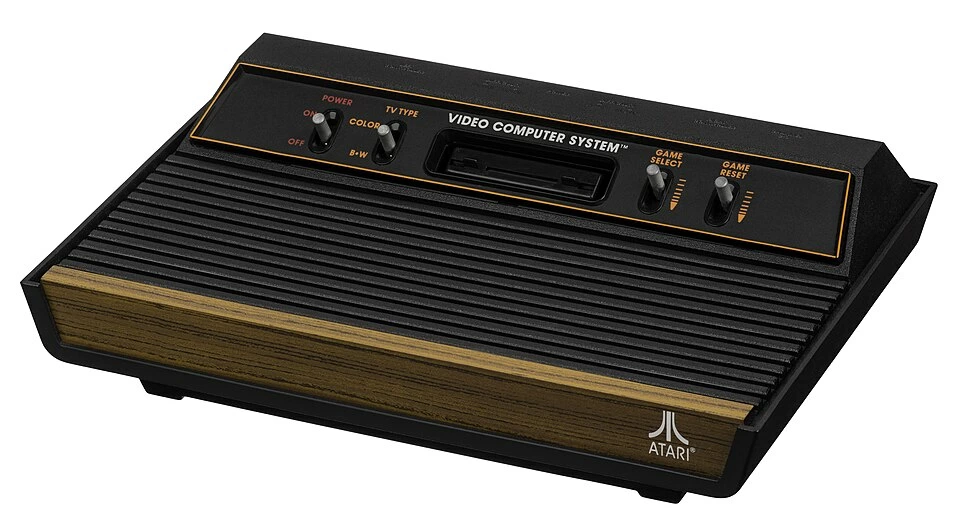
Home Pong offered a built-in game: users could not add a cartridge library to it. The VCS operated on a larger scale thanks to interchangeable games, arcade-hit adaptations and a lasting presence in homes. The official Atari FAQ confirms its 1977 launch and the principle of interchangeable cartridges. The date of the original system, 1977, should not be confused with the dates of its later revisions.
5200 and 7800: succeeding a phenomenon
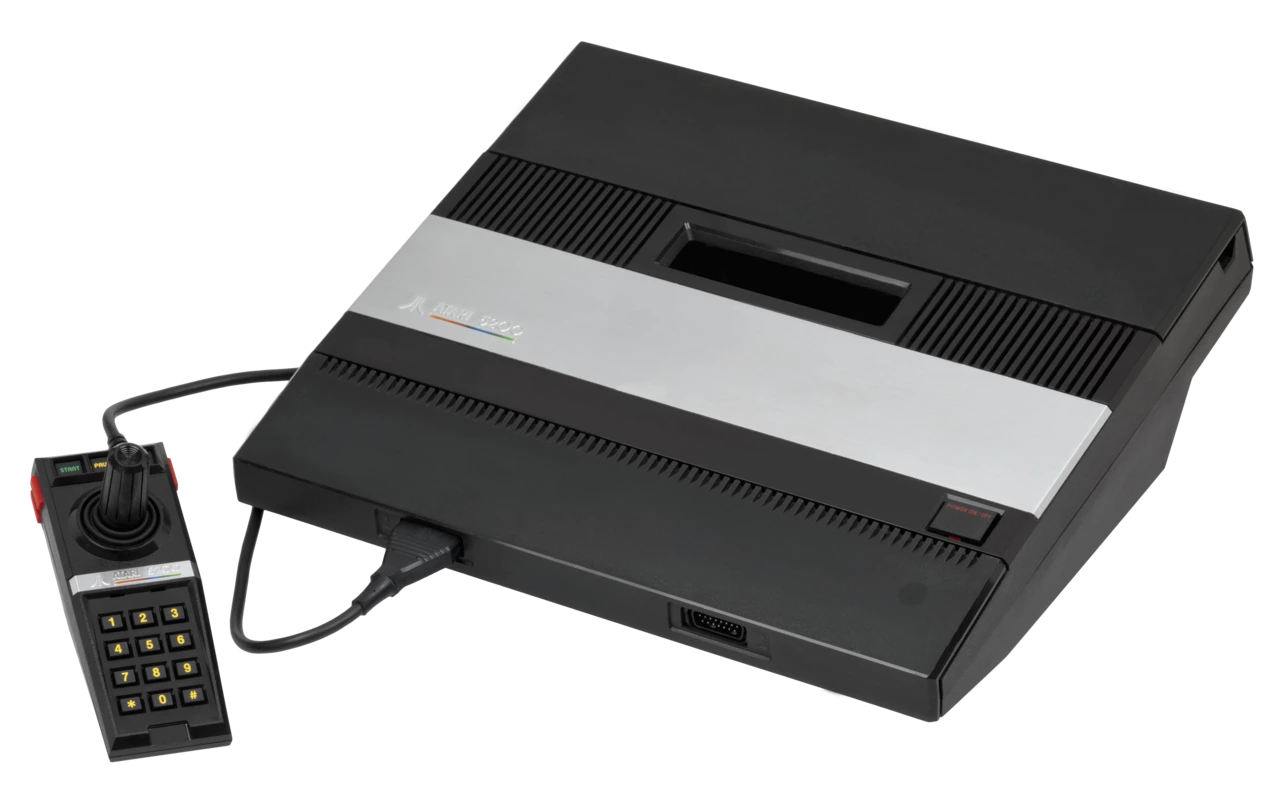
The 1982 5200 aimed for an experience closer to arcade productions, but it did not simply inherit the 2600's library. The 7800 later took a different direction and restored some compatibility with 2600 games. Its American launch was limited in 1984, before wider distribution in 1986: reducing its history to a single date overlooks this commercial interruption. These two machines show how difficult it was to replace a huge installed base.
1983: why Atari lost its dominance
In the early 1980s, the US video-game market suffered a major crash. An oversupply of uneven-quality games, competition from personal computers and distribution problems all contributed to the collapse of the console market. Atari, until then dominant, was hit particularly hard. The Computer History Museum attributes the crisis to a combination of overproduction and insufficient quality, rather than blaming one game alone. The 1984 change of ownership of Atari's consumer activities and the Atari 7800's commercial difficulties illustrate the break. The later success of the NES helped rebuild the US console market.
To place this transition alongside the Famicom and NES, see our history of Nintendo consoles.
Lynx, Jaguar and the end of an era
The Lynx brought a color screen to handheld gaming in 1989. It entered a market where battery life, price, software library and comfort mattered just as much as the display. Launched in 1993, the Jaguar represented historic Atari's last major home-console effort. Marketing language around "bits" is not enough to explain a platform's performance or fate: games and publisher support remain decisive.
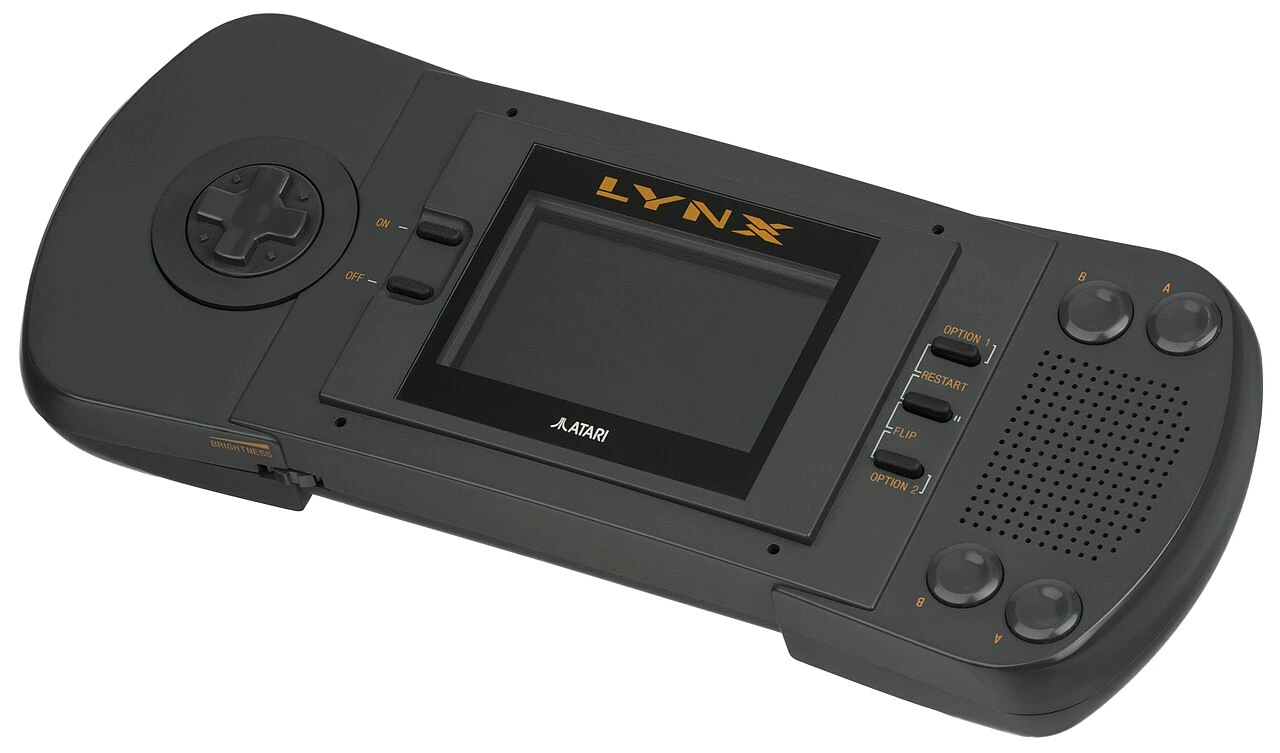
The Lynx could accommodate left-handed players
The Lynx stood out for more than its color screen: its technical manual specified three display orientations, including one landscape layout for right-handed players and another for left-handed players. The Flip function turned the screen image and made the other pair of buttons available; the detail illustrates the attention paid to ergonomics in a handheld very different from the Game Boy.
Modern VCS and Atari 2600+: legacy, not a conventional new generation
The Atari VCS name was reused for a modern machine shipped from 2020 and marketed more widely afterward. The Atari 2600+ is a reinterpretation designed in particular for older cartridges and modern displays. These products belong to the brand's recent history, but should not be classified as direct successors to the Jaguar in a "tenth generation." The official Atari support site clearly distinguishes the two devices.
Two decisive games, two ways of selling a console
Home Pong was first distributed in the United States by Sears under the Tele-Games brand. Archives from The Strong indicate that 150,000 units were quickly sold under that brand in 1975. This partnership with a major retailer gave Atari direct access to American homes. Five years later, the 2600 adaptation of Space Invaders gave players a reason to buy the console for one specific game. The Strong museum highlights its role in the machine's expansion in 1980. Catalogue and distribution matter as much as specifications when explaining its success.
Frequently asked questions
Did Atari create the first console?
No. The Magnavox Odyssey was marketed in 1972; Atari later stood out with Home Pong and the VCS/2600.
Is the 2600+ a new original Atari 2600?
No. It is a modern machine designed to run older Atari cartridges on current televisions.
Continue reading: find the other manufacturers in our history of video game consoles and browse our list of consoles by release date.
Sources and methodology
Dates refer to the first commercial launch, with region specified. Variants of the same hardware are grouped together; dates may differ by country. Verified: November 11, 2026.