How do you choose your class in WoW Forever?
In Forever, a class determines the combat tools you will use for dozens of hours. The first question is therefore practical: do you prefer to attack from a distance, fight up close, heal or absorb hits for a group? The second concerns how much you want to manage several mechanics at once: a pet, animal forms, totems, resources or control spells. Finally, ask yourself whether you will mostly play alone, with a friend or in dungeons. Blizzard presents Forever as a new experience inspired by WoW's early days, with redesigned classes and specializations. Talents begin at level 10 in the detailed class presentations. The developer also describes more measured combat, where positioning and control tools matter. In this context, the enjoyment of playing a particular style is more useful than a list of the "best DPS" published before release. The abilities and talents shown during the beta could still change. Sources: in-depth Forever presentation and hunter and druid class presentation. Our advice is therefore an editorial guide based on the official descriptions available on November 1, 2026. Actual progression ease, leveling speed and specialization balance will need to be checked in the launch version. To place this new episode within the wider franchise, our World of Warcraft in 2026 feature provides the broader context; this guide focuses on your first character.
Which class should you choose in WoW Forever?
Answer two questions to find a class suited to your playstyle.
Hunter, Warlock
The hunter explores with its pet and ranged attacks. The warlock focuses on demons and magical effects.
Editorial advice based on the roles announced by Blizzard, not on testing or a power ranking.
The nine WoW Forever classes: quick-choice table
The roles below describe the class options announced so far, not the relative performance of their specializations. The "consider it if" column is a selection aid, not a measured difficulty rating.| Class | Possible roles | Announced style | Consider it if… |
|---|---|---|---|
| Hunter | Damage | Ranged combat, pet, traps | You want to explore with a companion that participates in combat. |
| Druid | Tank, healing, damage | Animal forms, nature magic | You enjoy trying several roles and adapting your tools. |
| Mage | Damage | Ranged spells, control, schools of magic | You enjoy preparing the right spell for each situation. |
| Paladin | Tank, healing, damage | Melee, protection, holy magic | You want to support your allies without leaving the front line. |
| Priest | Healing, damage | Holy and shadow magic | Healing is your priority, with an offensive path available. |
| Rogue | Damage | Stealth, poisons, control, melee | You prefer choosing when and how to engage in combat. |
| Shaman | Healing, damage | Elements, totems, spells and melee | You want to help the group with a varied toolkit. |
| Warlock | Damage | Demons, shadow, fire, damage-over-time effects | You enjoy managing a companion and several magical effects. |
| Warrior | Tank, damage | Weapons, rage, stances, melee | You want to focus on close-quarters combat. |
Which class should you choose according to your playstyle?
You mainly play solo
The hunter is the easiest starting point to explain: Blizzard emphasizes its pet, ranged attacks and traps. The pet provides a second presence during encounters, without guaranteeing that every situation will be easy. The warlock also offers minions, but adds shadow and fire effects and curses to track. If you enjoy that management, it deserves just as much consideration. We cannot say which class will level faster in the final version. Hunter source; warlock source.You want to play with a friend
Discuss your roles first. A character able to heal can complement a partner who enjoys attacking; a tank can give the group direction. Paladin, druid and shaman let you consider several functions depending on your talents and equipment. Priest is a good fit if healing particularly appeals to you. The duo does not require any mandatory class combination: choose styles that you will want to keep playing over time.You want to explore dungeons
If you want to lead the group and draw enemy attention, consider warrior, paladin or druid. If you enjoy watching over allies and deciding when to intervene, consider priest, paladin, druid or shaman. To start in a damage role, all nine classes have an offensive path, but their tools differ considerably. These options guarantee neither an instant group spot nor identical ease of play: they describe the available roles. Group rules, balance and equipment still need to be observed in the game.You like ranged spells or stealth
The mage focuses on schools of magic and control; the warlock on demons and damage-over-time effects; the hunter on shooting and its pet. If you instead want to approach discreetly and control the opening of an encounter, the rogue is the clearest option. Blizzard presents its poisons, precise strikes and stealth as class cornerstones. Mage source; rogue source.
What the nine classes really bring
Hunter: companion and ranged attacks
Blizzard describes three directions for the hunter: Beast Mastery centered on the pet, Marksmanship focused on shooting, and Survival for traps and certain melee options. Traps can be used during combat in the changes presented. This is a consistent choice if you enjoy observing the terrain and giving your companion a meaningful role. You must nevertheless enjoy managing the pet; playing hunter is not simply about shooting without thinking. Official hunter details.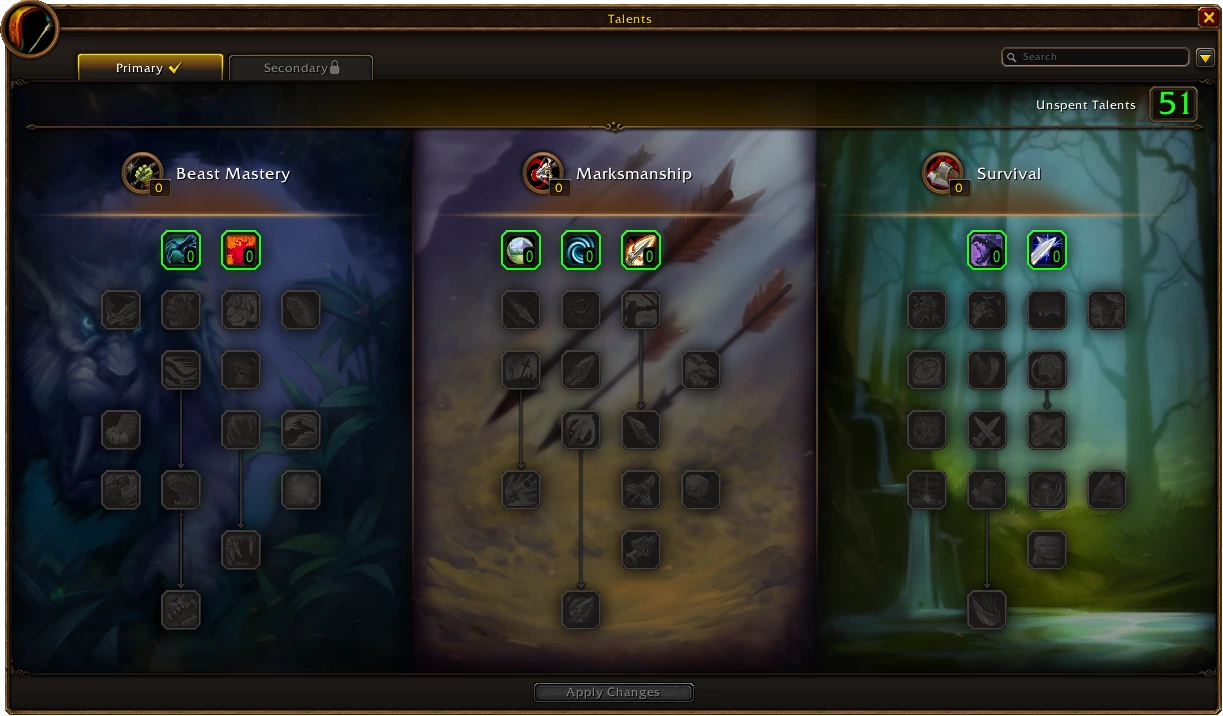
Druid: versatility and forms
The druid can change form and explore damage, protection or healing approaches. This flexibility gives you room to discover what you enjoy after a few levels. It also requires accepting several action bars and different habits depending on the chosen role. We recommend it for someone curious about switching functions, not for someone looking for one immediately familiar rotation. Official druid details.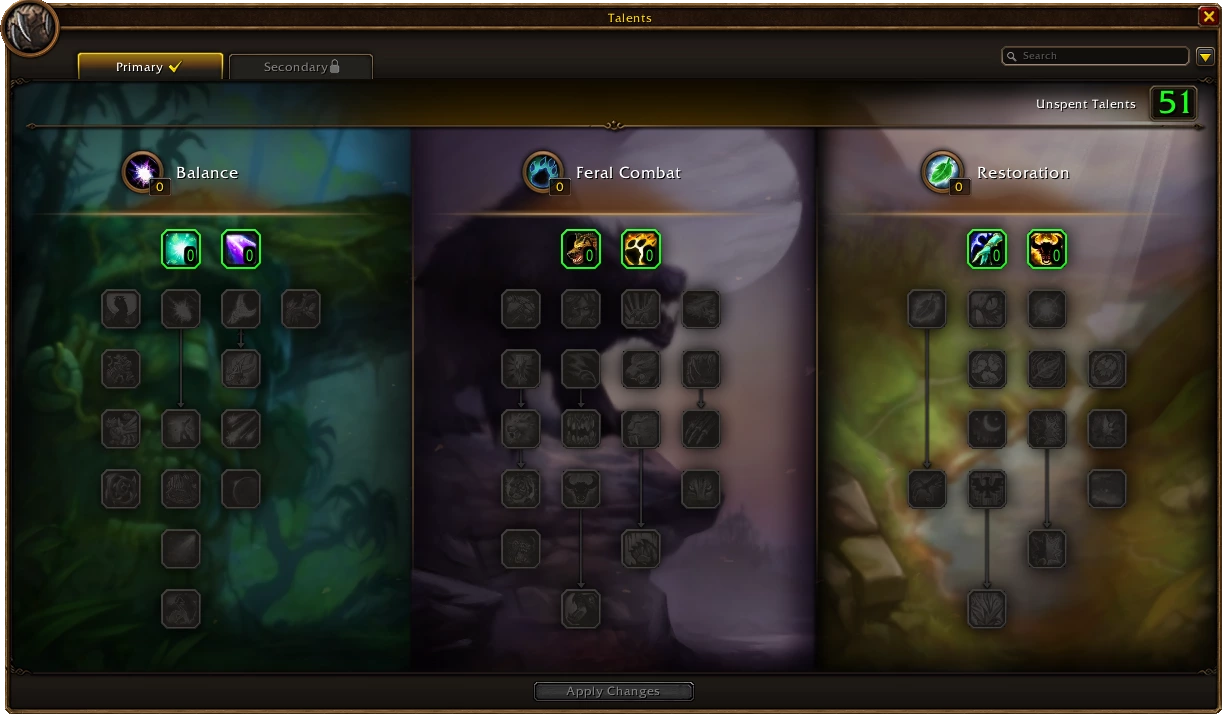
Mage: choosing the right spell
Blizzard distinguishes Frost control, Fire critical strikes and Arcane possibilities, with talents designed to leave room for combinations between schools. The mage appeals to players who enjoy maintaining distance, controlling enemies and planning their casts. It does not have the same permanent pet role as the hunter or warlock: positioning is central to its identity. Official mage details.Paladin: protection, healing and light
The paladin combines the Holy, Protection and Retribution paths. Blizzard describes more healing tools for Holy, survival and threat-management tools for Protection, and combinations of weapons and holy damage for Retribution. Its system of seals and judgments remains central. It is a good option if you want to alternate between support and armored combat. The official presentation also recalls its ranged limitations: versatility does not mean that it covers every style. Official paladin details.Priest: healing and shadow
The priest offers a clear starting point for anyone who primarily wants to learn healing, with support talents and an offensive Shadow path. Blizzard has announced adjustments to the class's accessible tools and talent trees. Choose it for support magic or the Shadow identity, not because a healer hierarchy has already been established. Official priest details.Rogue: stealth and combat decisions
The rogue focuses on stealth, control, poisons and precise melee attacks. Blizzard promises adjustments to poisons and talents for daggers, other weapons, finishing moves and bleeds. The enjoyment here comes from choosing when to attack and managing your resources. If you want to tank or heal, another class will suit you better. Official rogue details.Shaman: elements, totems and support
The shaman can explore elemental spells, melee and Restoration. Blizzard has announced improvements to totem management, including their duration, tracking and placement, to make these tools more responsive. This profile is aimed at players who enjoy support decisions and several ways of taking action. Totems remain part of the class identity; they have not been replaced by a single mechanic. Official shaman details.Warlock: demons and effects to maintain
The warlock commands minions and works with shadow and fire magic. The new presentations detail damage-over-time effects, synergies with demons and changes to curses. This is another way to play at range with a companion, focused more on maintaining several effects than the hunter's approach. Official warlock details.Warrior: weapons, rage and the front line
The warrior fights up close with weapons, stances and its rage resource. Blizzard says it wants to make rage generation more reliable and better distinguish the specializations. The class suits players who want to learn melee positioning, whether protecting a group or dealing damage. Its apparent simplicity says nothing about the actual difficulty of tanking a dungeon: that will also depend on the encounters and your group. Official warrior details.
Race and faction: check the combination before choosing
A race does not grant access to every class. Blizzard publishes two official race-class tables, one for the Horde and one for the Alliance. Forever notably adds orc mage, troll warlock, undead paladin, human hunter, gnome priest and dwarf shaman. If a particular combination matters to you, check the table before choosing a faction or planning a duo with your friends. These six additions do not make every class available to every race. The new Skyborne race can join either faction during character creation. According to Blizzard, it can be a druid, hunter, rogue or warrior on both sides; the Alliance version can also be a mage, while the Horde version can be a shaman. Its starting adventure takes place on Zephras Island, from level 1 to level 12. Access requires purchasing the Heroic Pack or a higher edition, a condition separate from the subscription that grants access to Forever. None of these additional editions is needed to choose one of the nine classes with another compatible race. Skyborne source; Forever access requirements.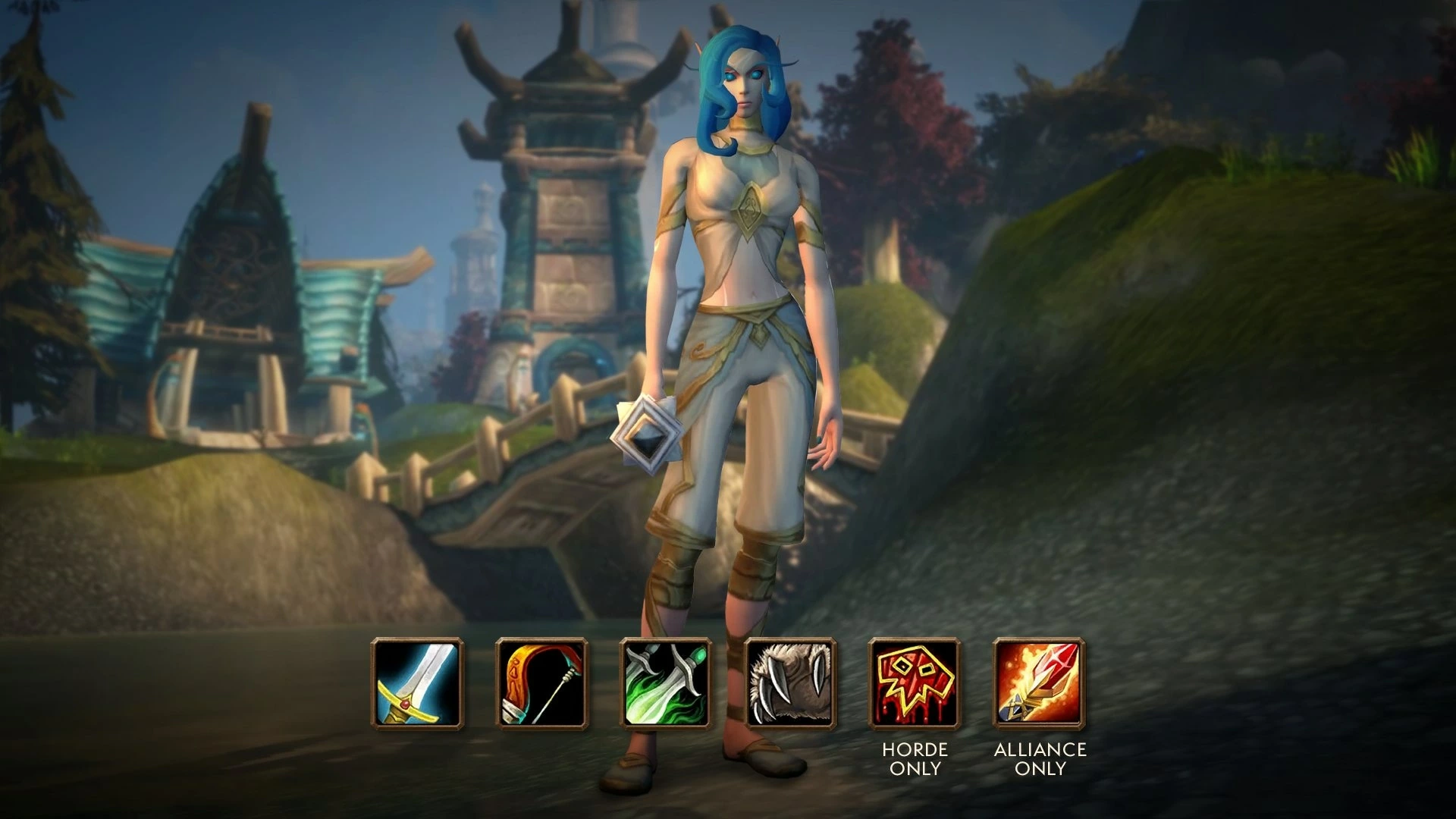
Your first character: five useful decisions
- Set your preferred role. If you are torn between tanking, healing and damage, start with a class that offers several paths. If you already know that you only want to cast spells, a mage or warlock addresses that preference more directly.
- Choose a style you enjoy watching and practicing. Pets, shapeshifting, totems, stealth and heavy armor will change your everyday experience far more than a provisional damage ranking.
- Check your race and your friends' races. The combinations and faction are listed in Blizzard's table. Skyborne availability depends on the edition purchased.
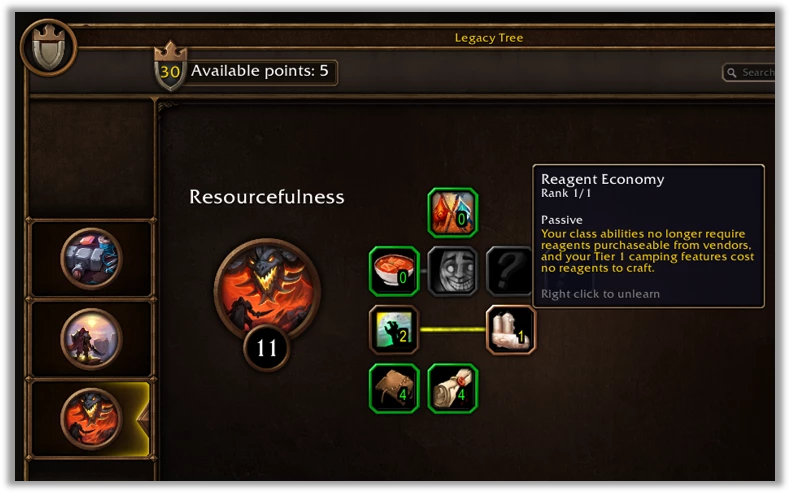
- Start with the basic tools. Talents arrive at level 10. Blizzard's presentations indicate that changing talents, including Legacy talents, requires visiting a class trainer in a major city; dual specialization is announced for level 40. Check these rules in the launch version before planning frequent changes. Talent source.
- Allow yourself a second character. Blizzard describes the Legacy system as account-wide horizontal progression that encourages exploring several classes. It also specifies that an alt is not required to benefit from all its advantages. Legacy source.